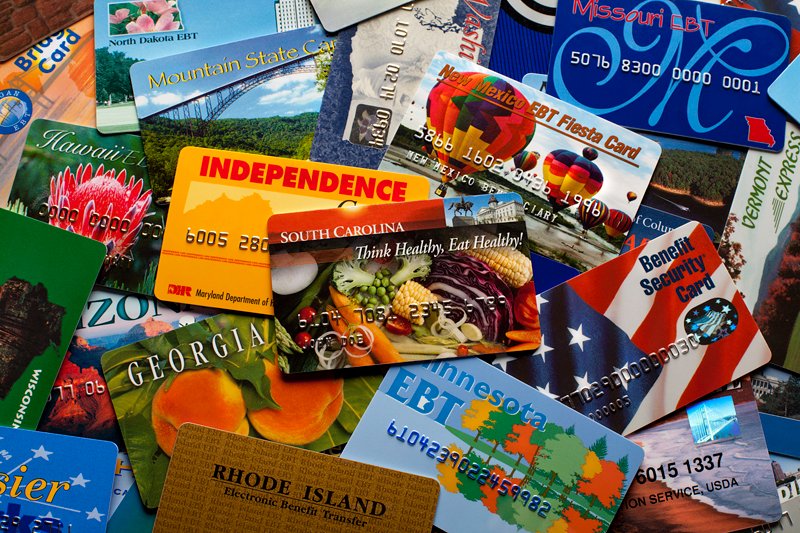
Most people know an EBT card covers groceries. Fewer people know it can also get you into a museum for two bucks, slash your phone bill, or score you a half-price gym membership.
That’s money sitting on the table every month. Let’s fix that.
Here’s a running list of everything you can get for free or at a steep discount just by being a SNAP participant and having your EBT card on you.
Museums, Zoos, and Cultural Attractions
Thanks to a program called Museums For All, over 1,400 museums, zoos, aquariums, botanical gardens, and children’s museums across the country offer admission for $5 or less to EBT cardholders. That covers up to four people per card.
You don’t need to register or sign up for anything. Show your EBT card and a photo ID at the door. That’s it.
Participating venues include:
- Natural history and science museums
- Art galleries and exhibitions
- Zoos and aquariums
- Botanical gardens
- Children’s museums
Search the Museums For All directory at to find locations near you.
Phone and Internet Bills
This one can save you serious money every month. Through the federal Lifeline program, SNAP households qualify for up to $9.25 off their monthly phone or internet bill. If you live on Tribal lands, that goes up to $34.25 per month.
Some states sweeten the deal even more:
- California: Up to $19 off monthly phone or internet
- Oregon: Up to $15.25 off your phone bill, $19.25 off high-speed internet, or a free cell phone with data service
Several internet providers also run their own low-income plans for SNAP participants. It’s worth calling your current provider and asking directly — sometimes they don’t advertise it loudly.
Energy Bills and Home Utilities
If you qualify for SNAP, there’s a good chance you also qualify for LIHEAP (Low Income Home Energy Assistance Program). This federal benefit helps cover:
- Heating and cooling costs
- Emergency utility shutoff situations
- Home weatherization to lower your bills long-term
Each state runs its own version of the program, so benefit amounts and eligibility rules vary. You typically receive one payment per heating or cooling season. Contact your local SNAP office to apply.
Some utility companies also offer discounted “low-income” rate plans that you can sign up for directly. Call yours and ask.
Amazon Prime and Delivery Subscriptions
Yep, Amazon has a program for this. Prime Access gives SNAP participants Amazon Prime at a significantly reduced monthly rate (currently $6.99/month instead of the standard $14.99).
You also get discounted memberships with:
- DoorDash+ (reduced delivery fees)
- Instacart+ (reduced delivery fees)
- Sam’s Club (discounted annual membership)
These add up fast if you order groceries or household essentials online.
Gym Memberships
Many YMCA locations nationwide offer reduced-rate memberships to SNAP participants. Show your EBT card and ask about their sliding scale or income-based membership options. Some locations give half-price memberships outright.
You get access to the same facilities as everyone else: gym equipment, pools, fitness classes, and family programs.
Availability varies by location, so call your local Y before showing up.
Public Transportation
Depending on where you live, an EBT card can unlock:
- Free or reduced bus and subway passes
- Discounted bike share memberships
- Free rides to job interviews through local workforce programs
If you’re in California, the Golden Bear Pass gives you free vehicle day-use admission to 200+ state parks and beaches when you show your EBT card.
Check with your local transit authority or SNAP office to find out what’s available in your area.
Education and Career Support
SNAP participants often qualify for reduced or waived fees on:
- GED tests
- College application fees
- SAT and ACT exams
- Career training through the SNAP E&T (Employment and Training) program
The E&T program in particular connects SNAP participants with job training, resume help, and job placement support. It’s free and underused. Ask your SNAP office about it.
Legal, Financial, and Community Services
Several cities offer programs that reduce government fees and fines for SNAP participants — parking tickets, court fees, library fines, that kind of thing. San Francisco has a formal program for this. Other cities have similar setups that are less publicized.
Beyond that, SNAP households can usually access:
- Free tax preparation through IRS-certified VITA volunteers
- Free or reduced-cost legal aid
- Subsidized childcare programs
- USCIS fee waivers for U.S. citizenship applications
These programs exist in most areas but don’t always get advertised. Your local SNAP office or community action agency is a good starting point for finding what’s available near you.
Kids and Family Programs
If you have kids, a few extra things open up:
- Free or low-cost summer camps
- Youth sports programs with reduced registration fees
- After-school programming (many of these are open to all low-income families, not just SNAP)
- SUN Bucks / Summer EBT: Extra food benefits during the summer for school-age kids — ask your SNAP office if your household qualifies automatically
Double Up Food Bucks: Free Produce in 25+ States
Double Up Food Bucks runs in more than 25 states and does exactly what it sounds like: when you use your EBT card at a participating store or farmers market, the program matches your purchase dollar-for-dollar on fresh fruits and vegetables. Spend $10 on produce, get $10 back to spend on more produce. Daily limits vary by state — Iowa caps it at $15 a day (where the program runs through the Iowa Healthiest State Initiative and works at Hy-Vee, Fareway, farmers markets, and CSAs), while Colorado matches up to $20 a day. The bonus dollars can only go toward fruits and vegetables, but your original SNAP funds still cover everything else as normal.
Some states run the program under slightly different names like “Market Match” or “Food Bucks,” so don’t get thrown off if your state doesn’t call it Double Up. Check to see if your state participates and find locations near you.
Other Stuff Worth Knowing
Community organizations in most areas distribute essentials to low-income households at no cost, including diapers, menstrual products, car seats, and pet care services (like low-cost spay/neuter clinics). These aren’t SNAP-specific, but SNAP participants typically qualify.
How to Find What’s Available Near You
National programs like Museums For All and Lifeline work everywhere. But a lot of these discounts are hyper-local — your city or county might have deals that aren’t listed anywhere obvious.
Your best moves:
- Ask your local SNAP office what your state offers specifically
- Search your city or county name + “EBT discount” or “low-income discount”
- Call the individual service (gym, transit, utility) and just ask — plenty of programs don’t advertise loudly
The card in your wallet does more than you think. Start using it.
Have a freebie or discount to add? Drop it in the comments.