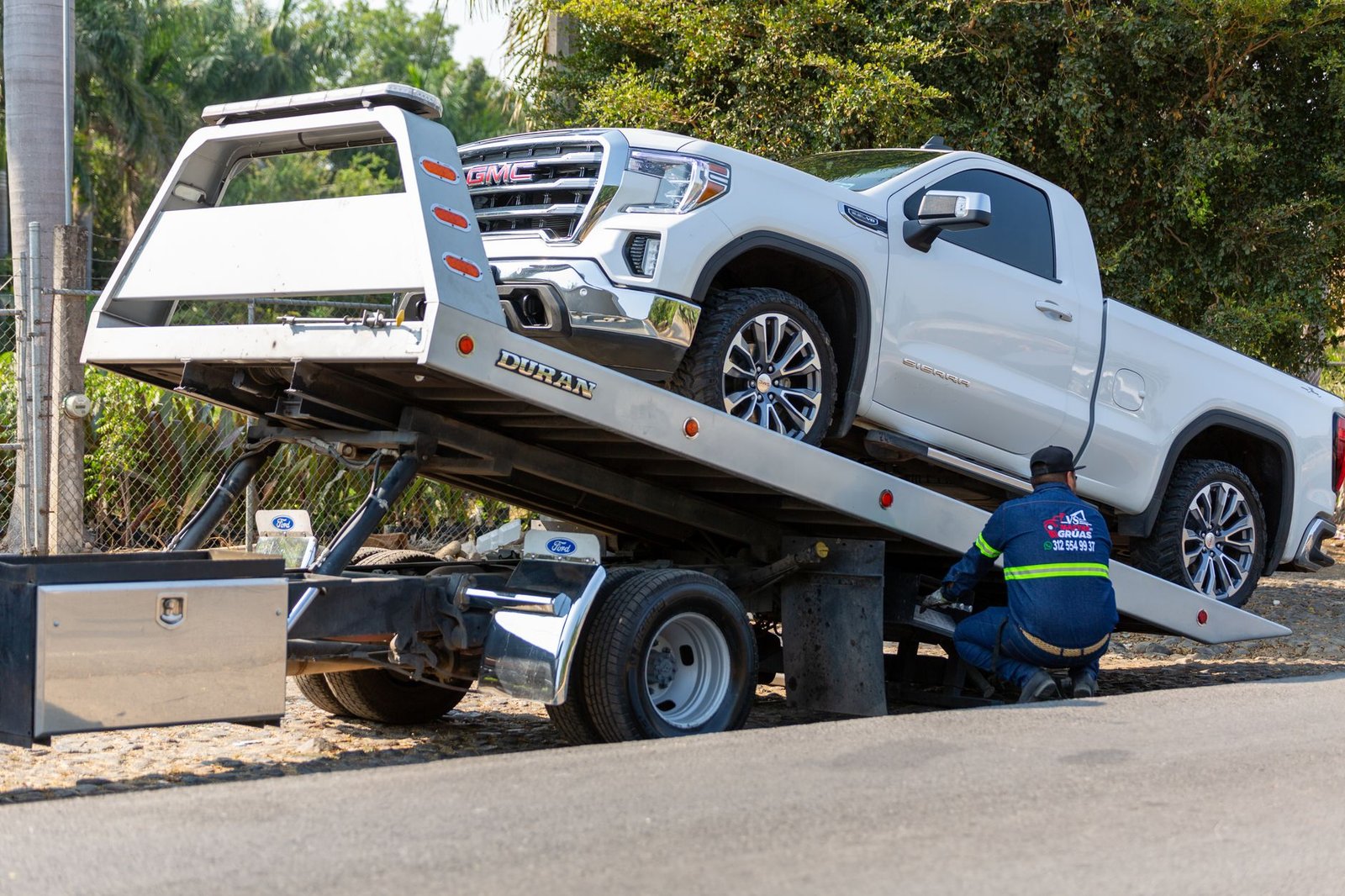
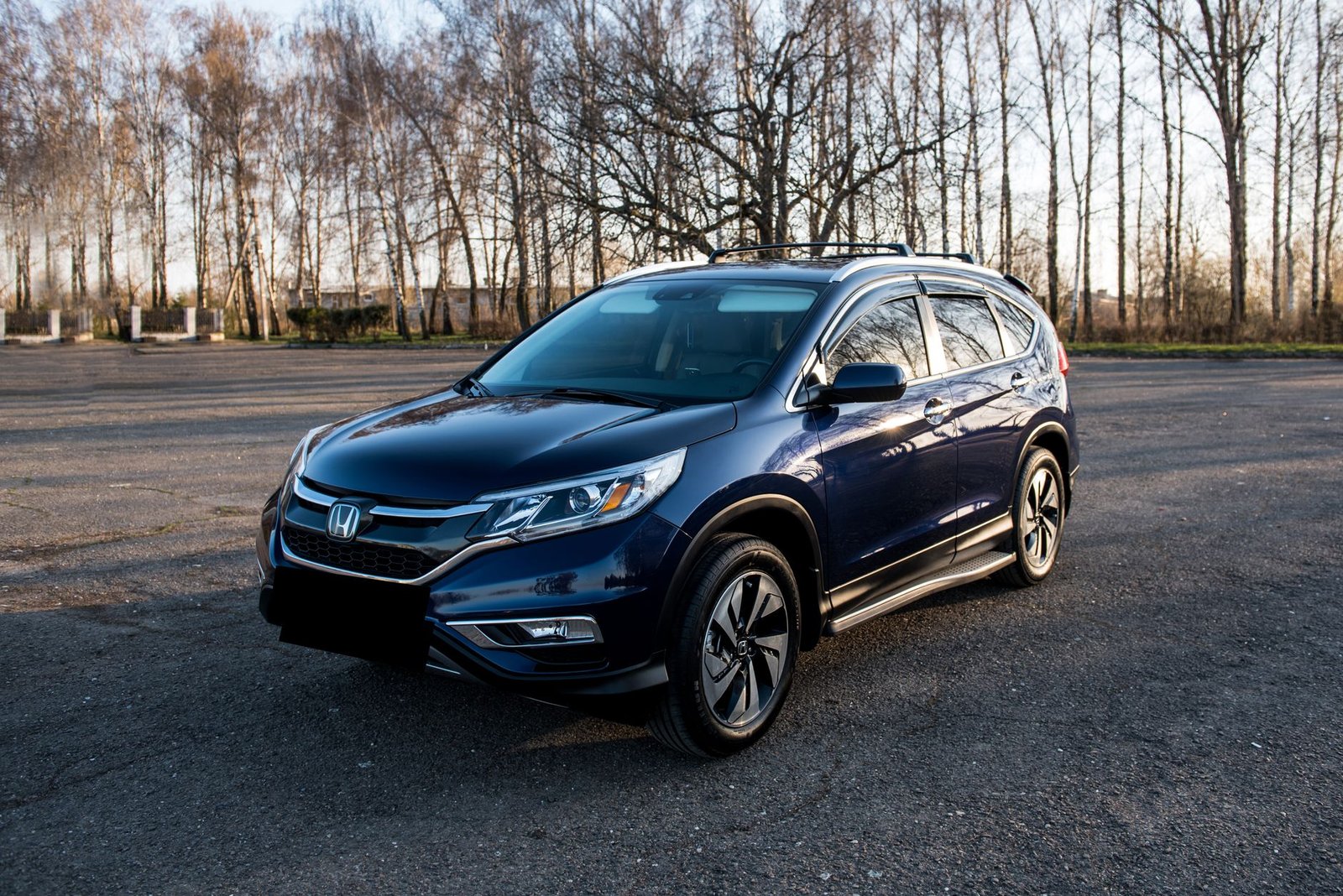
The car — the second-largest American consumer liability after a mortgage — presents a specific set of decisions for Americans planning an international move.
The options:
sell the car privately (highest return, most effort, requires paying off the loan balance first or getting lender consent to transfer title with loan outstanding)
trade it in to a dealer (fastest, lowest return, typically 10–15% below private sale value)
keep it in storage (ongoing insurance and potential registration cost for a depreciating asset you aren’t using)
transfer it to a family member who assumes the loan (requires lender approval)
or simply stop paying and let the repossession happen (damages credit significantly but eliminates the liability)
The right choice depends on two variables: the relationship between the car’s current market value and the outstanding loan balance (the equity or “underwater” amount), and whether the move is temporary or permanent.
A car with $4,000 in positive equity (worth $22,000, loan balance $18,000) represents an asset to capture through sale before departure. A car that is $8,000 underwater (worth $18,000, loan balance $26,000) is a liability where the math of each option looks different — selling still makes sense if the $8,000 difference can be covered, because the ongoing loan payments and depreciation make keeping the loan worse than paying the gap. Understanding the car decision 3–6 months before departure provides the maximum time to sell at full market value rather than rushing into a dealer trade-in at a 15% discount.
Car Loan Disposition Options — Financial Comparison for a $22,000 Car With $18,000 Remaining Loan
Last-minute departures with <3 weeks before move; less time to private-sell
Transfer to family member (lender approval required)
Family member assumes liability; you are removed from title and (with lender consent) from loan obligation; typically requires new loan in family member’s name
Loan transfer with lender approval: positive (no negative marks); transferring title only without lender consent: loan still in your name, missed payments hurt your credit
2–4 weeks for refinance/transfer process with lender
Trusted family member who wants and can afford the car; lender is willing to approve transfer
Keep in storage (family member stores, continues paying)
Ongoing: $450–$700/month loan payment + $100–$150/month insurance + $20–$80/month storage = $570–$930/month to keep a car you never use
Positive if payments are made; no impact to credit
No upfront time — ongoing management required
Short departures (under 12 months); car with specific value (classic, specialized vehicle) worth maintaining
The most financially painful car situation for a departing expat: a car loan that is underwater — the outstanding loan balance exceeds the car’s market value.
This is common for cars financed with minimal down payment, extended loan terms (72–84 months), or rapid depreciation models (certain luxury vehicles, some trucks). An American with a 2022 pickup truck financed for $48,000 with $41,000 remaining on the loan and a current market value of $36,000 is $5,000 underwater.
The options: sell privately for $36,000, bring $5,000 to the closing to pay off the lender and remove the lien; trade in for approximately $32,000 and bring $9,000 to the closing; or use a gap insurance claim if the vehicle is totaled (not applicable here).
The “bring cash to closing” option is the most common resolution — the departing expat contributes the shortfall amount from savings to clear the title and complete the sale. While it feels like a loss, it eliminates the ongoing loan payment and allows departure without carrying a car payment to Vietnam.
The alternative of keeping the loan while abroad and having a family member drive the car often works but requires complete trust: the family member who misses a payment or damages the car without insurance creates credit and financial problems that follow the expat halfway across the world. If the family member situation is not unambiguously trustworthy, selling at a loss is consistently the better choice than the alternative scenarios that can unfold over a 2–3 year absence.
📊 Sandra Lee — sold her 2023 Honda CR-V 6 weeks before Athens departure, netted $5,200 after loan payoff, invested in IBKR: Sandra (44) had a 2023 Honda CR-V with $19,800 remaining on the loan, financed at 6.9% APR. She listed on Facebook Marketplace and CarGurus simultaneously at $24,500 in early October (one of the better months for used car sales). She received 4 inquiries in the first week and sold to the third serious buyer at $24,200 (slight discount from list price). Payoff quote from her lender: $19,784 (including interest to payoff date). Net after paying off loan: $4,416. She also canceled her auto insurance ($142/month savings), which she redirected to Athens expense planning. The $4,416 was added to her Athens departure fund. She invested $4,000 of it in IBKR on her first day in Athens. “I spent 3 years paying $470/month for a car I mostly used on weekends. I sold it for $4,400 net equity. In Athens, I take the metro for $0.86/ride. The mental math of what I was spending on that car is something I will never get over.”
💡 The Carmax instant offer — the benchmark price that tells you whether private sale is worth the effort before you list anywhere: Before investing time in private-sale listings, photographs, and buyer conversations, get an instant offer from CarMax (carmax.com/sell-my-car) — a free, 10-minute online process that provides a binding 7-day offer based on your VIN, mileage, and vehicle condition. The CarMax offer is typically 10–15% below private sale value but represents guaranteed immediate sale (no negotiations, no test drives, no buyer financing uncertainty).
Use the CarMax offer as your baseline: if CarMax offers $19,200 and you believe the private market is $22,000–$23,000, the $2,800–$3,800 difference must be weighed against the 3–6 weeks of effort, buyer management, and logistics of a private sale.
If CarMax offers $18,500 and private market is $19,500, the $1,000 difference is often not worth the effort — take the CarMax offer. Additionally: Carvana and Vroom provide competing instant offers that can be used to negotiate with CarMax (CarMax will sometimes beat a Carvana offer if shown the competing bid). Getting all three offers takes 30 minutes and ensures you’re receiving market value before deciding on the sale approach.