
You’ve done the research. You know rent in Medellín is $700/month. You know food is cheap. You’ve run the numbers and they look beautiful — $1,800/month and you’re living well while saving $1,200 from your remote salary. You feel ready.
And then the first year happens. And the number isn’t $1,800. It’s $2,400. Or $2,800. Not because you miscalculated the basics — those were right. It’s because of everything else. The layer of costs underneath the obvious ones that almost no one accounts for until they’re already spending them.
This isn’t a reason not to go. Even at $2,400/month, you’re still way ahead of what you were spending in Cincinnati or Denver or San Diego. But there’s a specific category of financial stress that comes from expecting $1,800 and spending $2,400, even when both numbers are affordable. Stress that comes from feeling like you did the math wrong, like the plan isn’t working.
Here are the real hidden costs of the first year abroad — and the actual dollar amounts to budget for each one.
The One-Time Setup Costs Nobody Warns You About
1. The Visa and Documentation Gauntlet: $400–1,500
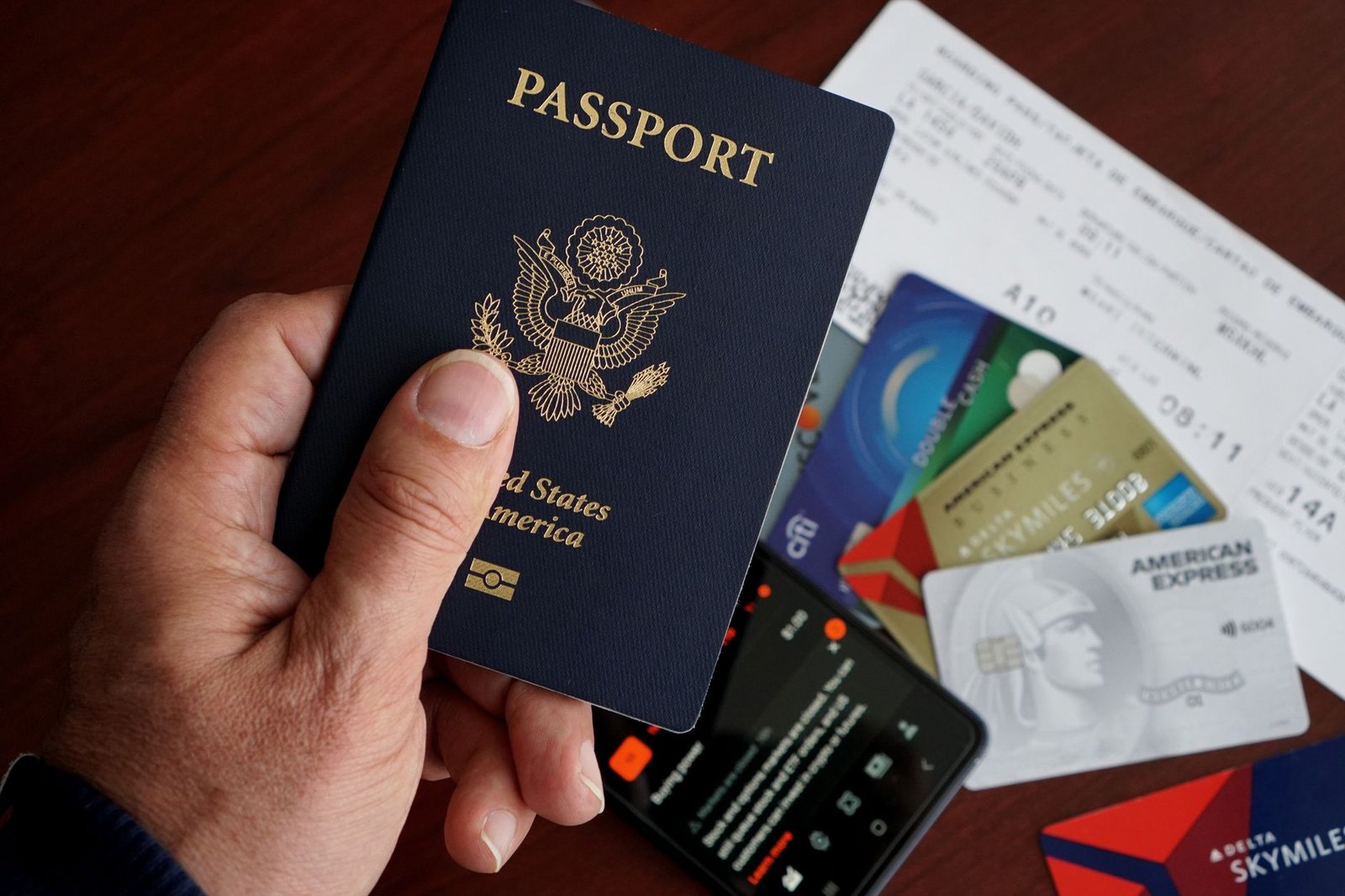
Getting legal residency in another country involves a trail of documents that must be authentic, notarized, apostilled (a specific international notarization recognized by foreign governments), and sometimes translated by a certified translator. The requirements vary by country and by your specific visa type, but a realistic list looks something like this:
- Passport renewal (if yours is expiring soon): $110 + expedite fee potentially $60
- Background check from the FBI (required by many countries): $18 FBI fee + $25–50 for fingerprinting service
- Apostille of the background check and birth certificate: $20–40 per document through your state Secretary of State
- Certified translation of documents: $30–75 per document
- Immigration attorney or consultancy: $300–800 (optional but frequently worth it)
- Actual visa application fees: varies widely ($0 to $500+)
Budget $600–1,200 for this layer. For a family, multiply accordingly — every family member needs their own documentation trail.
2. Pre-Departure Storage and Shipping: $200–2,000
Most people moving abroad don’t sell everything. They keep some things — furniture they love, sentimental items, documents, possibly a car if they plan to come back. This means either renting storage ($60–150/month for a small unit) or shipping some belongings.
International shipping is expensive. A small air freight box (30–60 lbs) runs $200–500. A small ocean freight container runs $1,500–3,500. Many expats end up doing a combination: shipping a few essential things, selling what they can, and buying replacements abroad.
Budget for at least one round of storage or shipping decisions costing $500–1,500 in the transition period.
3. Furnishing and Equipping Your New Home: $500–2,000
Even if you rent a furnished apartment (which most expats do initially), furnished often means the basics — bed, couch, table. It doesn’t mean the specific coffee maker you like, the quality of sheets you prefer, kitchen equipment you’re used to, a printer for work, a monitor if you work from home, etc. You’ll shop for all of this in your first weeks.
The good news: household goods are often cheaper abroad. The bad news: you don’t know that yet, and you’ll overspend on the familiar things before you learn where to shop locally. Budget $600–1,500 for the first apartment setup, with the recognition that you’ll spend more in the first month than in any month after.
💡 Pro tip: Don’t buy everything in the first two weeks. Give yourself a month to learn where the good cheap stores are in your new city. In Mexico City, Tepito and Lagunilla markets offer quality goods at fractions of department store prices. In Medellín, local ferreterías and mercados are the move. In Thailand, local markets and Lazada (the regional Amazon equivalent) beat tourist-area shops significantly.
4. The First Month’s Temporary Housing Premium: $400–900
Almost nobody moves directly into a long-term apartment on day one. You need to see the city first, understand the neighborhoods, find a unit you actually want. This means your first 30–60 days are usually in a hotel or Airbnb at a significantly higher daily rate than a monthly lease would cost.
A furnished Airbnb for 30 days in a good Medellín neighborhood runs $1,200–1,600/month — compared to $700–800 for a comparable monthly lease you’d find after some searching. The premium for short-term is real.
Budget this premium into your first-year costs. It’s not waste — it’s the cost of finding the right neighborhood and apartment instead of committing blindly from America.
The Recurring Hidden Costs That Add Up All Year
5. The Emergency Trip Home: $600–1,600
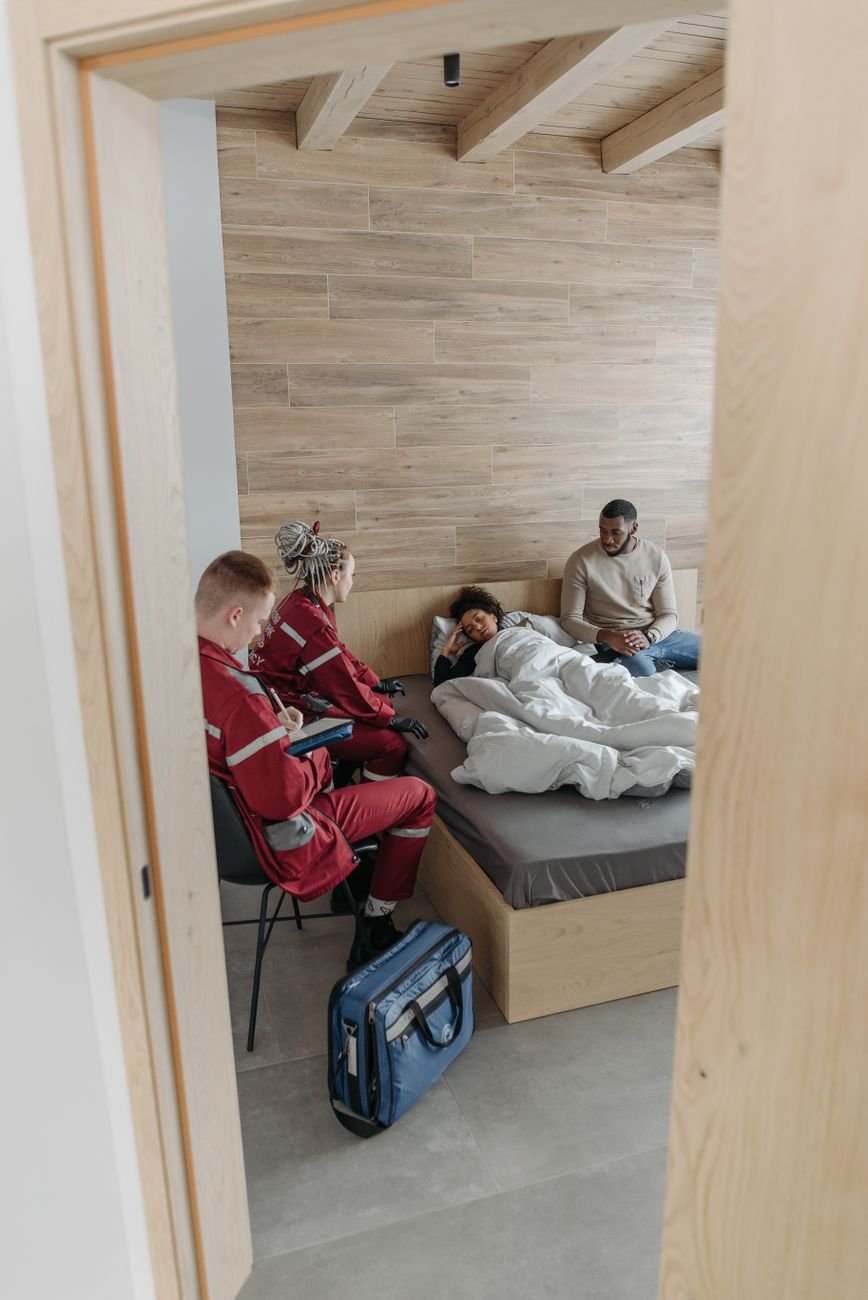
Something will happen with family back in the U.S. during your first year. A parent’s health scare, a sibling’s unexpected crisis, a funeral, a family emergency that wasn’t on the calendar. Most people who’ve been abroad for more than a year have made at least one unplanned flight home.
An emergency last-minute round-trip from Southeast Asia to the U.S. can cost $1,400–2,000. From Mexico, $500–900. From Europe, $800–1,400. Budget $1,000–1,500 in your emergency fund specifically earmarked for “unexpected flight home” costs. This is separate from your planned annual visit budget.
6. Currency Volatility: Unpredictable, But Plan for 5–10%
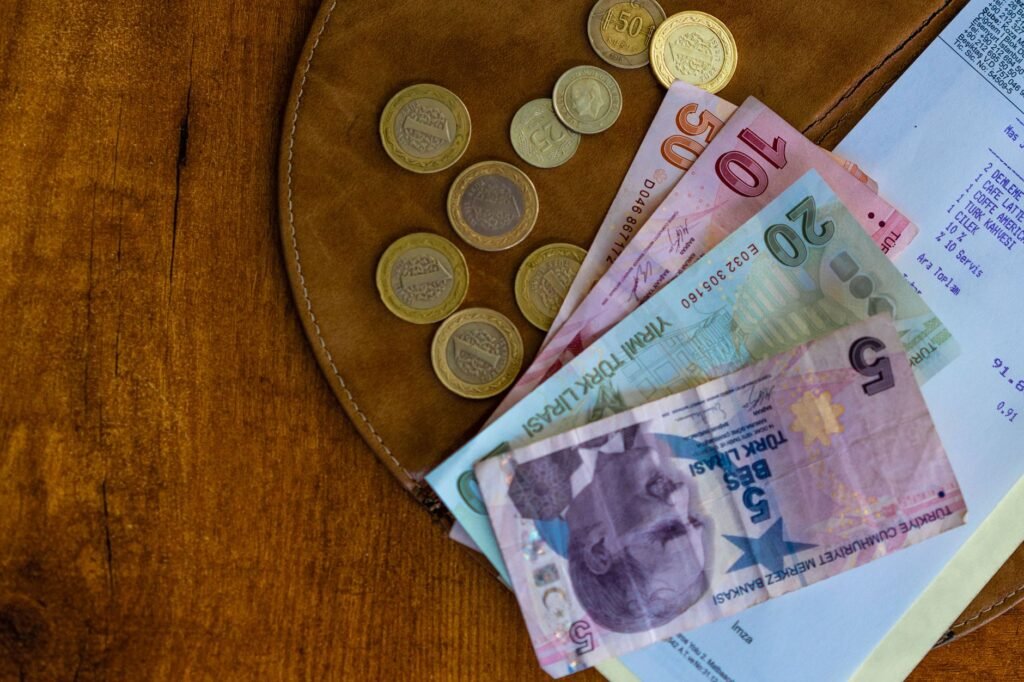
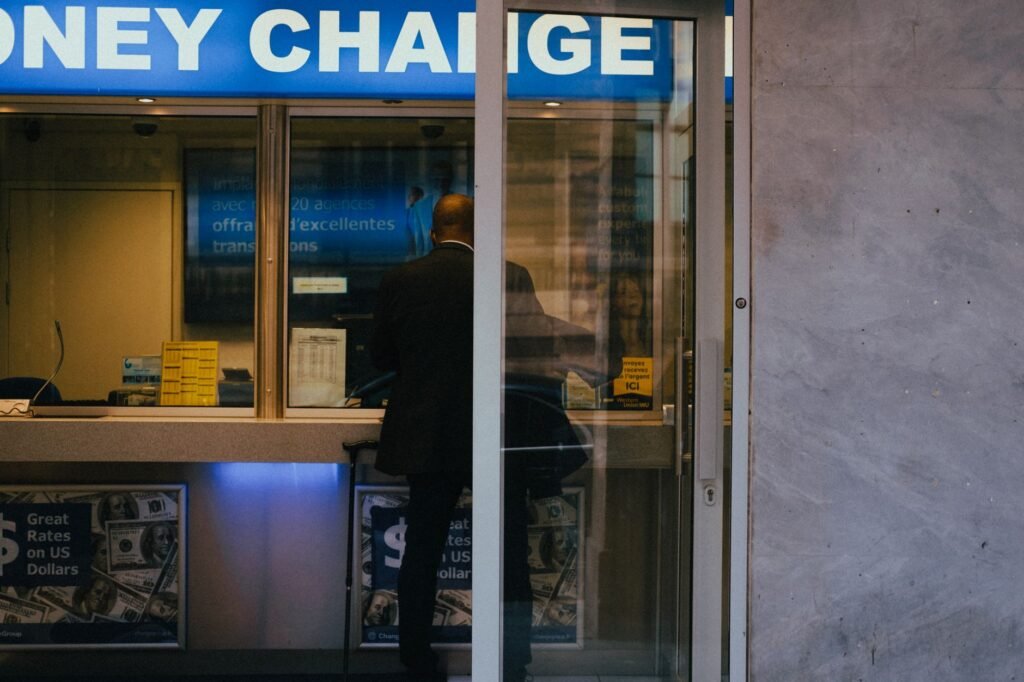
If your income is in dollars but your expenses are in local currency (pesos, baht, lempira, etc.), you benefit when the dollar is strong and get squeezed when it weakens. The Colombian peso has gone from 3,800/dollar to 4,400/dollar and back to 3,900/dollar in the span of 18 months. That’s a 15% swing in your purchasing power.
Build a 5–10% buffer into your budget for currency fluctuation. Don’t optimize your budget assuming the current exchange rate will hold indefinitely — plan for it to be 8–10% less favorable and treat any favorable rate as a bonus.
7. The “I’m New Here” Tax on Everything: $100–300/month in months 1–3
When you first arrive, you don’t know where the affordable grocery store is versus the tourist grocery store. You don’t know which neighborhoods have $2 street food and which have $12 tourist tacos. You don’t know the local apps for ordering, the local rates for taxis, or that the landlord is charging you a gringo premium because you asked about the apartment in English without first getting a local to inquire for you.
The “new here” premium is real and affects every purchase. It fades as you learn — usually mostly gone by month 3–4. But in the first months, budget an extra $100–300/month for this learning curve.
8. Banking Fees You Didn’t Expect: $50–200/year
Even with a fee-reimbursing bank like Schwab, you’ll encounter situations where fees hit you. Wire transfer fees from a foreign bank. Conversion fees on a card that isn’t set up properly. A fee from your U.S. bank for something you didn’t anticipate. Budget $100–150/year for miscellaneous banking friction costs.
The solution: before you go, fully set up your banking infrastructure (Schwab checking for ATM access, Wise account for currency conversion, a no-foreign-transaction-fee credit card for purchases). With these three in place, ongoing banking costs drop dramatically. But the setup itself takes time and occasional small fees.
9. Tech Replacements and Upgrades: $200–800 in year one
Your laptop screen cracks. Your phone gets wet. Your external hard drive fails. These things happen normally — but when you’re abroad and you’re working remotely, tech reliability is a business necessity. You can’t wait three weeks for an Amazon shipment (and shipping to some countries is still unreliable).
Budget $300–600 for unexpected tech costs in year one. If you’re working remotely, consider buying a basic backup device (a refurbished second laptop or an iPad, $200–300) before you go — not as a primary machine but as insurance.
10. The Professional Services You Didn’t Budget For: $500–1,500
In your first year abroad, you’ll probably pay for at least one or two of these things you didn’t specifically plan for:
- Expat tax preparation (if you didn’t budget for it): $500–1,000
- Immigration attorney consultation (if your visa gets complicated): $300–500
- Local bank account setup assistance (some countries require a local reference or consultation): $50–200
- Health insurance consultation (figuring out the right plan): sometimes free, sometimes $100–200 for a broker
The Real First-Year Budget: What Actually Happens

Here’s an honest first-year budget for a single adult moving to a mid-range destination (Medellín, Mexico City, or similar), based on real expat experiences:
| Type of Cost | Amount | Notes |
|---|---|---|
| Pre-departure one-time costs | $2,500–4,000 | Documentation, storage, tech setup, buffer for transition |
| First month temporary housing premium | $400–700 | Short-term rental vs. monthly lease gap |
| Home setup costs | $600–1,500 | Items to fill in what furnished apartment lacks |
| First year monthly living (ongoing) | $1,800–2,400 × 12 = $21,600–28,800 | Includes all ongoing costs with honest buffers |
| One unexpected flight home | $700–1,200 | Plan for one; hope you don’t need it |
| Professional services (tax, immigration) | $700–1,200 | Varies widely by complexity |
| Total Year 1 | $26,500–37,400 | Wide range based on destination and situation |
Compare: a single adult living comfortably in an American mid-sized city typically spends $48,000–72,000/year. Year one abroad, with all the setup costs included, you’re almost certainly still ahead — often by $15,000–30,000.
And year two? Year two, the setup costs are gone, the learning curve is past, and your monthly spend drops to $1,700–2,400 in the same destination. Year two is where the math becomes undeniable.
📊 Year one vs. year two: Most expats report that their first year costs 20–30% more than their ongoing monthly rate would predict, entirely due to one-time setup costs and the new-here learning curve. By year two, they’re living at or below their original budget. Plan for a higher year one and use it as a feature, not a bug — it’s the cost of the best life transition you’ve ever made.
The Bottom Line: Front-Load Your Expectations
The hidden costs of moving abroad are real, they’re predictable, and they’re completely manageable if you know they’re coming. The financial danger isn’t in the costs themselves — it’s in arriving with a budget that doesn’t account for them and feeling like everything is going wrong when you’re just experiencing normal first-year transition costs.
Plan for $3,000–5,000 in one-time setup costs. Plan for $200–400/month higher spend in months one through three than your ongoing budget. Plan for one unexpected professional service or emergency expense during the year.
Then watch how year two unfolds. With the setup behind you and the learning curve complete, that’s when the math becomes what you imagined it would be when you first started dreaming about this.