
Americans are used to budgeting eating out as a luxury. At $18–35 for a sit-down dinner entrée, $14 cocktails, and $8 coffees, going out frequently in a U.S. city is genuinely expensive — a category that financial advisors routinely tell people to cut. The average American household spends $3,639/year eating out, or about $303/month, and it’s one of the most common areas of spending guilt.
Abroad, this calculus is completely different. In most popular expat destinations, eating out at quality local restaurants — not tourist traps, not the McDonald’s equivalent, but genuinely good food at places locals actually go — costs so little that the distinction between “eating in” and “eating out” loses its budgetary significance. The real budget consideration isn’t whether to eat out, but which combination of local food, expat-oriented restaurants, and home cooking produces the lifestyle you want.
This article gives you real prices from real restaurants in four cities Americans actually move to — not Numbeo averages, but the kind of granular data you’d get from a friend who lives there.

Medellín, Colombia: What Your Money Gets You
The Local Restaurant Tier ($2–8 per person)
The backbone of eating in Medellín is the menú del día — a set lunch offered at local restaurants (called fondas or restaurantes de barrio) that typically includes soup, a protein-and-rice main plate, a side salad or vegetable, a fruit juice, and sometimes a small dessert. Price: 12,000–18,000 COP, or approximately $3–4.50. This is not a budget compromise — it’s genuinely fresh food, often made from scratch daily, in the style Colombian families eat at home. Most expats who live in Medellín long-term eat the menú del día regularly.
A street-level bandeja paisa (beans, rice, chicharrón, eggs, plantain, ground beef, avocado, arepa): $5–8 at a local restaurant. A fresh fruit juice (jugo natural) — mango, lulo, guanábana — at a juice stand: $1–2. A local coffee at a café: $1–2.
The Mid-Range Tier ($8–18 per person)
El Poblado and Laureles have an excellent mid-range restaurant scene catering to both expats and upwardly mobile Colombians. A full dinner with an entrée, a drink, and dessert at a quality local restaurant: $12–18/person. A craft beer at a local brewery: $3–5. A glass of wine at a mid-range restaurant: $5–8.
The Upscale Tier ($20–40 per person)
Medellín has a handful of genuinely excellent high-end restaurants — places that would cost $80–120/person in New York. In Medellín, the same quality meal, wine pairing, and service costs $25–45/person. El Cielo (a Michelin-recognized tasting menu restaurant with a Medellín location) offers a 12-course tasting experience for approximately $65 per person including drinks — an experience that would run $200+ at a comparable U.S. restaurant.
| Meal Type | Medellín Cost | U.S. Equivalent Cost | Savings |
|---|---|---|---|
| Local menú del día lunch | $3–4.50 | $12–18 (similar sit-down lunch) | 75–80% |
| Mid-range dinner with drinks | $12–18/person | $35–55/person | 65–75% |
| Craft beer (local) | $3–5 | $7–10 | 50–60% |
| Morning coffee + pastry | $2.50–4 | $7–11 | 60–70% |
| Upscale dinner, wine included | $35–55/person | $95–150/person | 60–70% |

Chiang Mai, Thailand: Legendary Value, Genuine Quality
Chiang Mai’s food scene is the stuff of expat legend — not because the food is expensive and exclusive, but because it is extraordinarily good at prices that make American visitors do a double-take. Thai food in Thailand is a fundamentally different experience from Thai food in the U.S.: fresher ingredients, more complex regional variation, cooked in street stalls and family restaurants that have been perfecting the same dishes for generations.
Street Food and Local Restaurants ($1–4 per person)
A bowl of khao soi (Chiang Mai’s signature coconut curry noodle soup, arguably one of the world’s great noodle dishes): 60–80 baht, or $1.70–2.25. A pad see ew from a street stall: 60–80 baht. A full meal of several small dishes at a local market: $3–5. A fresh coconut at a market stall: $0.50–1. A Thai iced coffee (oleang): $0.75–1.50.
The Sunday Walking Street (Wualai) and Saturday Night Market are famous among expats not just for shopping but for the density of food stalls — an evening of grazing on 8–10 dishes from different vendors typically costs $4–7 per person, including drinks.
Mid-Range Restaurants ($4–12 per person)
Chiang Mai’s restaurant scene has excellent mid-range options — Thai, international, and fusion — at prices that feel shockingly reasonable. A full dinner at a quality sit-down restaurant with drinks: $7–12/person. An Americano at a specialty coffee shop (and Chiang Mai has some of Thailand’s best): $2–3.50. A craft beer at a local bar: $3–5. A glass of imported wine: $5–8 (wine is imported and taxed in Thailand, making it relatively pricier than beer or spirits).
Upscale Dining ($15–30 per person)
Chiang Mai has several excellent fine-dining restaurants featuring Northern Thai cuisine, modern Thai, or international options at prices that represent remarkable value. A full tasting menu experience with drinks at a top Chiang Mai restaurant: $25–40 per person — comparable to a mid-range meal in a U.S. city.
| Meal Type | Chiang Mai Cost | U.S. Equivalent Cost | Savings |
|---|---|---|---|
| Street khao soi or noodle dish | $1.70–2.25 | $14–18 (similar dish at Thai restaurant) | 85–90% |
| Local restaurant dinner | $4–8/person | $20–35/person | 75–80% |
| Specialty coffee | $2–3.50 | $5–7 | 50–60% |
| Mid-range dinner with drinks | $8–12/person | $35–55/person | 75–80% |
| Market evening (multiple dishes) | $4–7 total | $25–40 for equivalent variety | 80–85% |
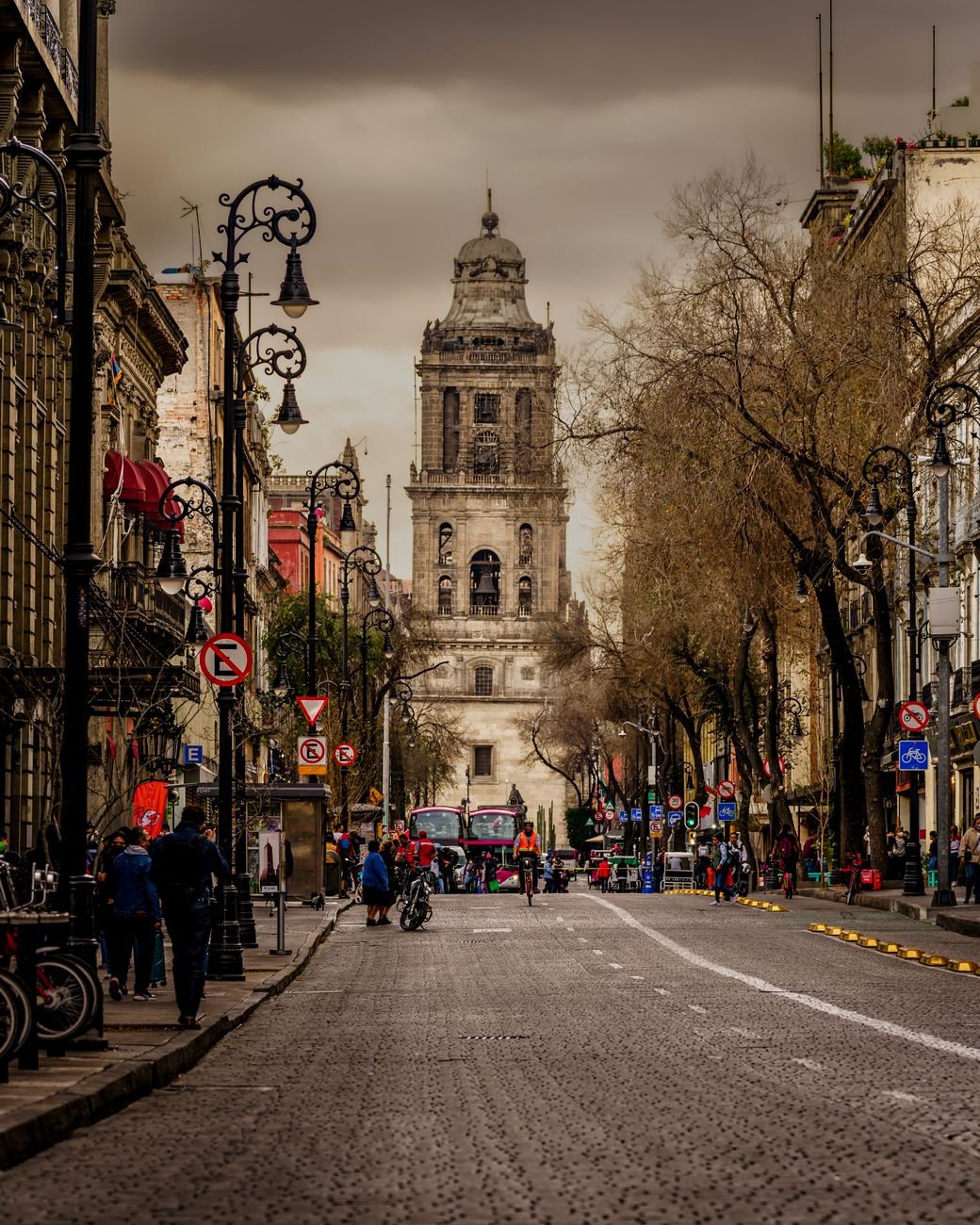
Mexico City: World-Class Food at Accessible Prices
Mexico City has one of the world’s great food cultures — a fact increasingly recognized by international food press, with several Michelin-starred restaurants and a rich tradition of regional Mexican cooking. But the defining characteristic of eating in CDMX isn’t the fancy restaurants — it’s the extraordinary quality-to-price ratio across the entire spectrum, from street tacos to fine dining.
Street Tacos and Market Food ($1–4 per person)
A taco from a respected taco stand (pastor, carnitas, barbacoa): 20–35 pesos each, or $1–1.75 per taco. Three or four tacos plus a agua fresca (fresh fruit water): $5–7 for a completely satisfying meal. A torta (Mexican sandwich) from a market stall: $2.50–4. Tamales from a street vendor: $0.75–1.50 each. A cup of atole (warm corn-based drink): $1–2.
Mid-Range Restaurants ($8–18 per person)
Mexico City’s Roma and Condesa neighborhoods are dense with excellent mid-range restaurants serving creative Mexican cuisine, international food, and excellent coffee. A full dinner at a quality mid-range restaurant: $12–20/person with drinks. A mezcal cocktail at a mezcalería: $5–9. A glass of Mexican wine: $6–10. An espresso at a third-wave coffee shop: $2–3.50.
High-End Dining ($35–80 per person)
Mexico City has genuine world-class fine dining. Pujol (consistently ranked among the world’s 50 best restaurants) and Quintonil offer tasting menu experiences that run $80–120 per person — an extraordinary meal at what would be a fraction of the price for comparable restaurants in New York, Paris, or Tokyo. Pujol’s mole madre — a continuously fed mole that has reportedly been cooking for over 1,000 days — is $15–18 as a standalone dish.
The day-to-day reality: most Americans in Mexico City are not eating at Pujol weekly. They’re alternating between great street food ($5–8/meal), excellent mid-range restaurants ($15–25 for a full dinner with drinks), and the occasional splurge that still costs less than a typical U.S. dinner out.

Kuala Lumpur, Malaysia: The Hawker Centre Advantage
Kuala Lumpur’s food culture centers on hawker centres and kopitiams — open-air food courts and coffee shops where dozens of vendors serve dishes from Chinese, Malay, Indian, and fusion traditions at prices that haven’t changed meaningfully in a decade. A full meal at a hawker centre — a main dish, rice or noodles, a vegetable side, and a drink — costs 10–18 Malaysian ringgit, or $2.20–4. This is excellent food, not fast food: many hawker stall operators have been cooking the same dishes for 20–30 years and are recognized locally as masters of their specialty.
Hawker Centres and Kopitiams ($2–5 per person)
Char kway teow (wok-fried flat noodles): RM 8–12 ($1.75–2.65). Nasi lemak (coconut rice with anchovy, peanuts, and sambal): RM 3–8 ($0.65–1.75). Roti canai with dhal: RM 2–4 ($0.45–0.90). A kopi-o (black coffee, Malaysian style): RM 1.50–2.50 ($0.33–0.55). An entire breakfast of roti canai, dhal, a cup of kopi-o, and a fresh juice: $2–3.
Mid-Range and Mall Restaurants ($6–15 per person)
Kuala Lumpur’s malls house extensive mid-range restaurant options — a full dinner at a casual restaurant in a mall food court: $5–10/person. A sit-down mid-range Malaysian Chinese restaurant: $10–18/person with drinks. A craft beer at a bar in the Bangsar or Changkat Bukit Bintang neighborhoods: $4–7.
What This Means for Your Monthly Food Budget
| Eating Style | Medellín | Chiang Mai | Mexico City | Kuala Lumpur | U.S. (Major City) |
|---|---|---|---|---|---|
| Budget (mostly local food, occasional mid-range) | $200–300 | $150–250 | $200–300 | $150–200 | $500–700 |
| Comfortable (mix of local, mid-range, occasional upscale) | $300–450 | $250–350 | $300–450 | $250–350 | $700–1,100 |
| Indulgent (frequent mid-range and upscale dining, imported ingredients) | $500–700 | $400–600 | $500–700 | $400–600 | $1,100–2,000+ |
💡 The “eat like a local” compound effect: Americans who genuinely eat like their neighbors — menú del día in Medellín, khao soi from the street in Chiang Mai, tacos from a market stall in Mexico City — not only spend 70–80% less per meal, they often eat better food by traditional standards: fresher ingredients, less processed, more regionally specific. The health and financial benefits of local eating abroad compound each other in ways that dining in the U.S. rarely allows.
The food budget abroad is one of the most flexible and enjoyable categories in an expat budget. Unlike housing (locked into a lease) or healthcare (needs-based), food spending adjusts immediately to circumstances — a tight month means more market meals and home cooking, a celebratory month means the tasting menu that still costs less than a casual dinner at a U.S. restaurant. This flexibility is one of the practical reasons expats abroad are so much more resilient to unexpected expenses than their domestic peers spending equivalent income.