$2,500/month is around $30,000/year — roughly the take-home pay on a $42,000 salary after taxes, or about what many Americans in their late 50s collect in Social Security at full retirement age, or the approximate drawdown from a $750,000 portfolio at a 4% withdrawal rate. It’s a real number that represents a real income level for a lot of people — and in the U.S., it’s a number that makes comfortable living almost impossible in any major city.
This article is a concrete, specific answer to the question: what do you actually get for $2,500/month in five popular expat destinations? Not a vague “you can live well,” but a specific breakdown of the apartment, the lifestyle, the food situation, the activities, and what’s left over.
Colombia — Medellín (El Poblado)
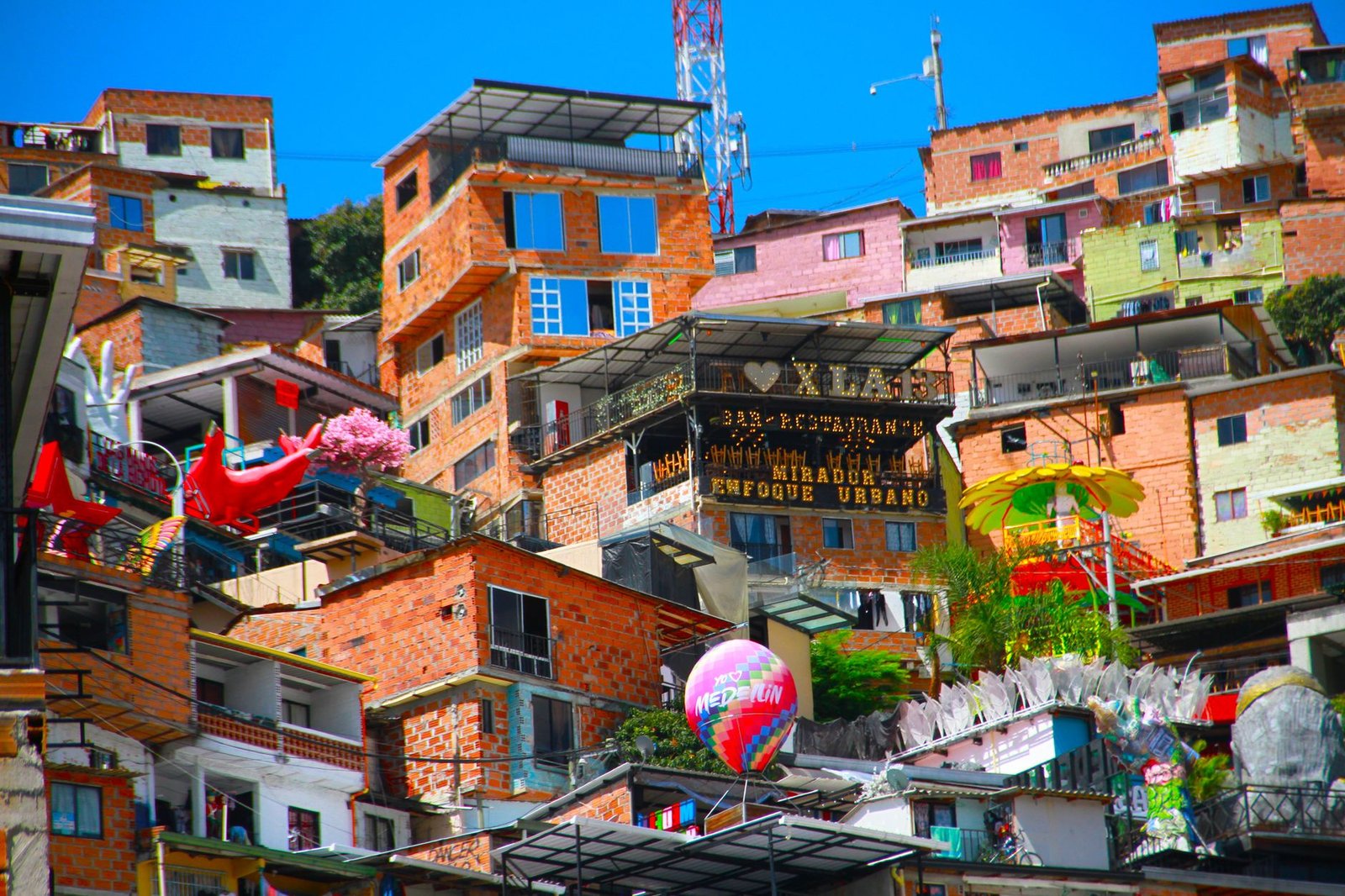
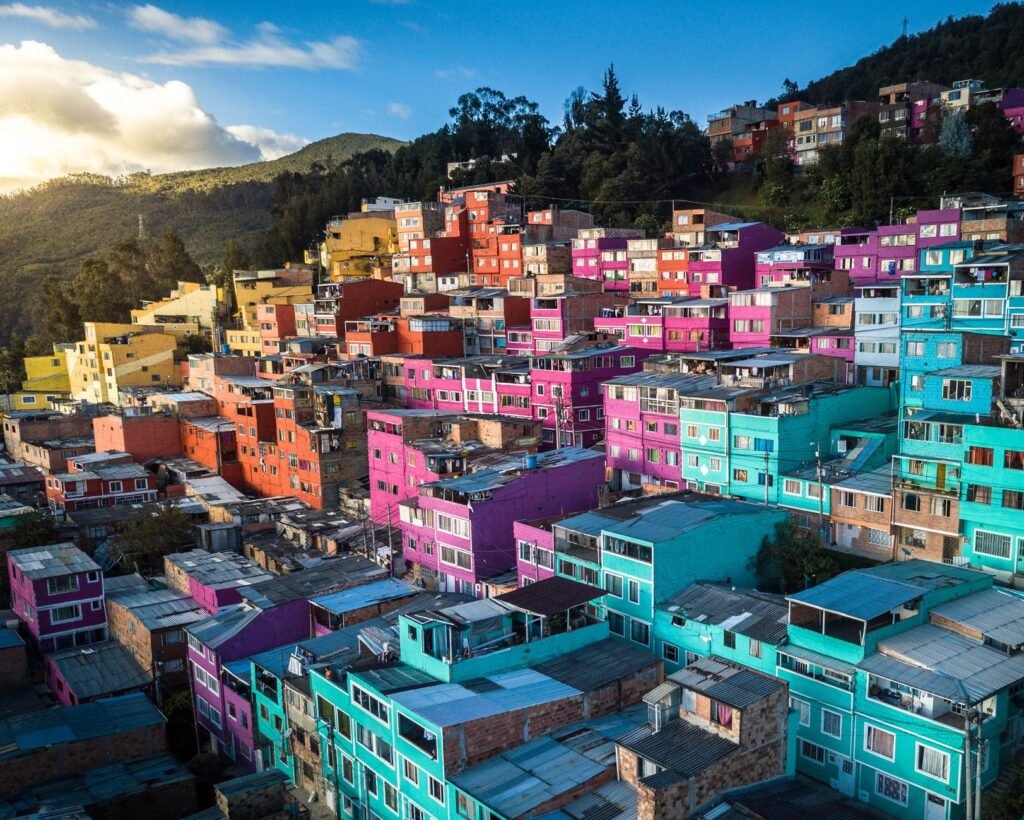
At $2,500/month in Medellín’s most popular expat neighborhood, you’re living well by almost any standard.
Apartment: A furnished 2BR apartment in El Poblado with a terrace, modern kitchen, and building pool: $900–1,100/month on a long-term lease. This is a nicer apartment than what $2,500 total would rent in most U.S. cities.
Food: Groceries for the month (mix of local markets and La14 supermarket): $200. Dining out 15 times at mid-range restaurants ($10–18/meal): $200. Coffee daily at local cafes ($1.50–2.50): $60. Total food: approximately $460.
Transportation: Metro card + Uber for the month: $70. No car needed.
Health insurance: International plan (no U.S. coverage): $160/month for a healthy 45-year-old.
Activities: Gym membership ($25), weekend trip to the coffee region ($150 for two nights), salsa dance classes ($40), miscellaneous entertainment: $280.
Utilities + internet: $65.
The total: approximately $2,035/month. You have $465 left over — meaning $2,500 in Medellín El Poblado gives you a cushion. You live in a 2BR modern apartment in one of the most vibrant cities in Latin America and have money to save.
📊 The Medellín $2,500 lifestyle check: 2BR modern apartment with building amenities → regular restaurant meals out → gym membership → weekend trips → daily cafe culture → $465/month left over. Compare this to what $2,500 rents in a major U.S. city: a studio or 1BR, no dining out, no savings.
Thailand — Chiang Mai

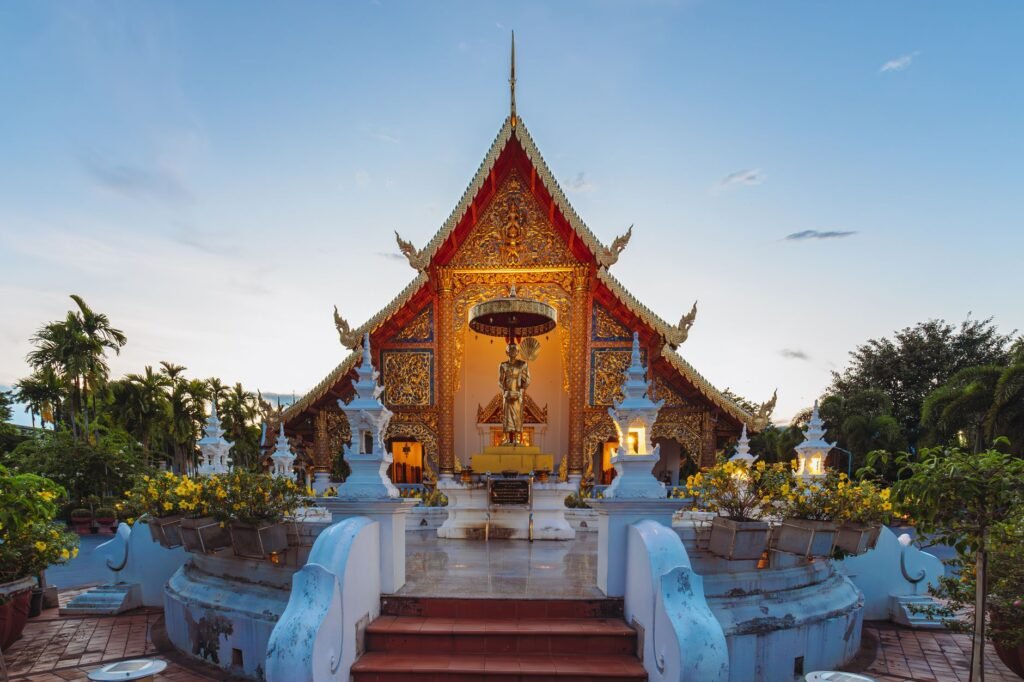
Chiang Mai at $2,500/month is genuinely luxurious by local and expat standards. This is a budget where you could live in a nicer place than most expats bother with.
Apartment: A high-end 1BR or spacious 2BR condo with pool, gym, and rooftop in the Nimman or Santitham areas: $500–700/month. With your budget, you could go even nicer — $700–900/month gets you genuinely premium accommodation in Chiang Mai.
Food: Mix of Thai street food (85% of meals) and occasional Western restaurant splurges: $250/month. You can eat absurdly well in Chiang Mai for this amount. Add $60 for a daily coffee at the many excellent local cafes.
Transportation: Scooter rental: $100/month. Grab rides as needed: $30.
Health insurance: $130/month for a healthy adult under 50.
Activities: Yoga membership ($80), Thai massage twice a month ($25), trekking or day trips ($100), Thai cooking class and other activities ($60).
Utilities + internet: $70.
The total: approximately $1,605/month. You have nearly $900 left over — Chiang Mai is simply very affordable, and $2,500 is well above what most expats spend. That extra $900/month goes to savings, to travel, or to a premium apartment upgrade.
Mexico — Oaxaca City
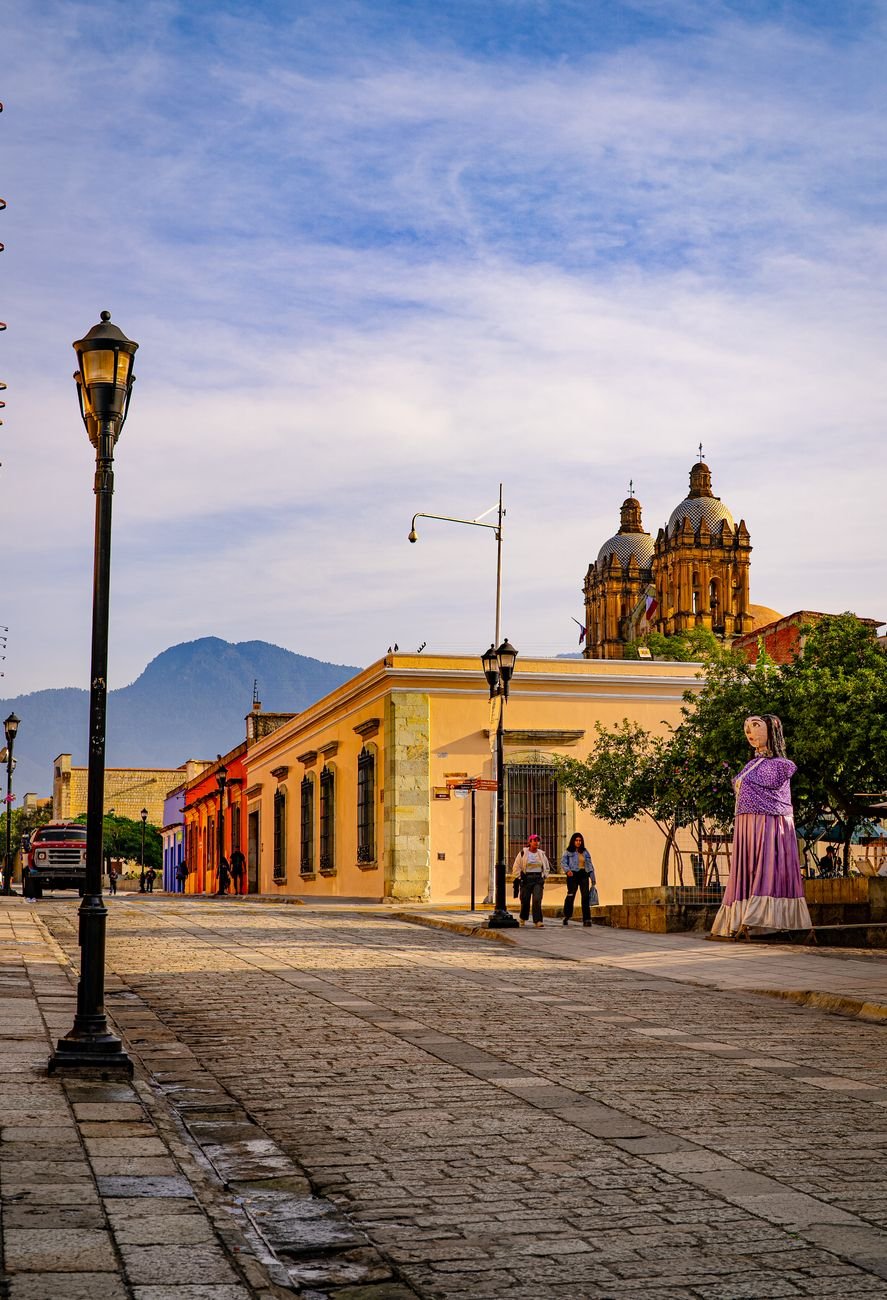
Oaxaca City is the choice for someone who wants colonial beauty, extraordinary food culture, strong artisan traditions, and a genuine Mexican city rather than the Americanized expat zones of Mexico City’s Roma or Condesa. It’s significantly cheaper than Mexico City and genuinely stunning.
Apartment: A furnished 1BR or 2BR colonial-era apartment in the historic center or surrounding neighborhoods: $550–800/month. The architecture in these apartments — high ceilings, interior courtyards, tiled floors — is something you’d pay $3,500/month for in Brooklyn.
Food: Oaxacan food is extraordinary — tlayudas, mole negro, mezcal, chocolate. Groceries: $180. Dining out at local restaurants (incredibly affordable): $200. Coffee: $40. Total: $420.
Transportation: Taxis + collectivos: $50. Oaxaca’s centro is very walkable.
Health insurance: $150/month.
Activities: Day trips to ruins, markets, and nearby villages ($150), cooking classes ($80), mezcal tastings ($40), cultural events ($50).
Utilities + internet: $70. (Note: reliable high-speed internet requires some research in Oaxaca — it’s available, but not as universally excellent as major cities.)
The total: approximately $1,810/month, with $690 left from $2,500. Oaxaca delivers one of the highest quality-of-life-per-dollar ratios of any expat destination, particularly for people who care about food culture, artisanship, and authentic Mexican character over expat infrastructure.
Panama — Boquete
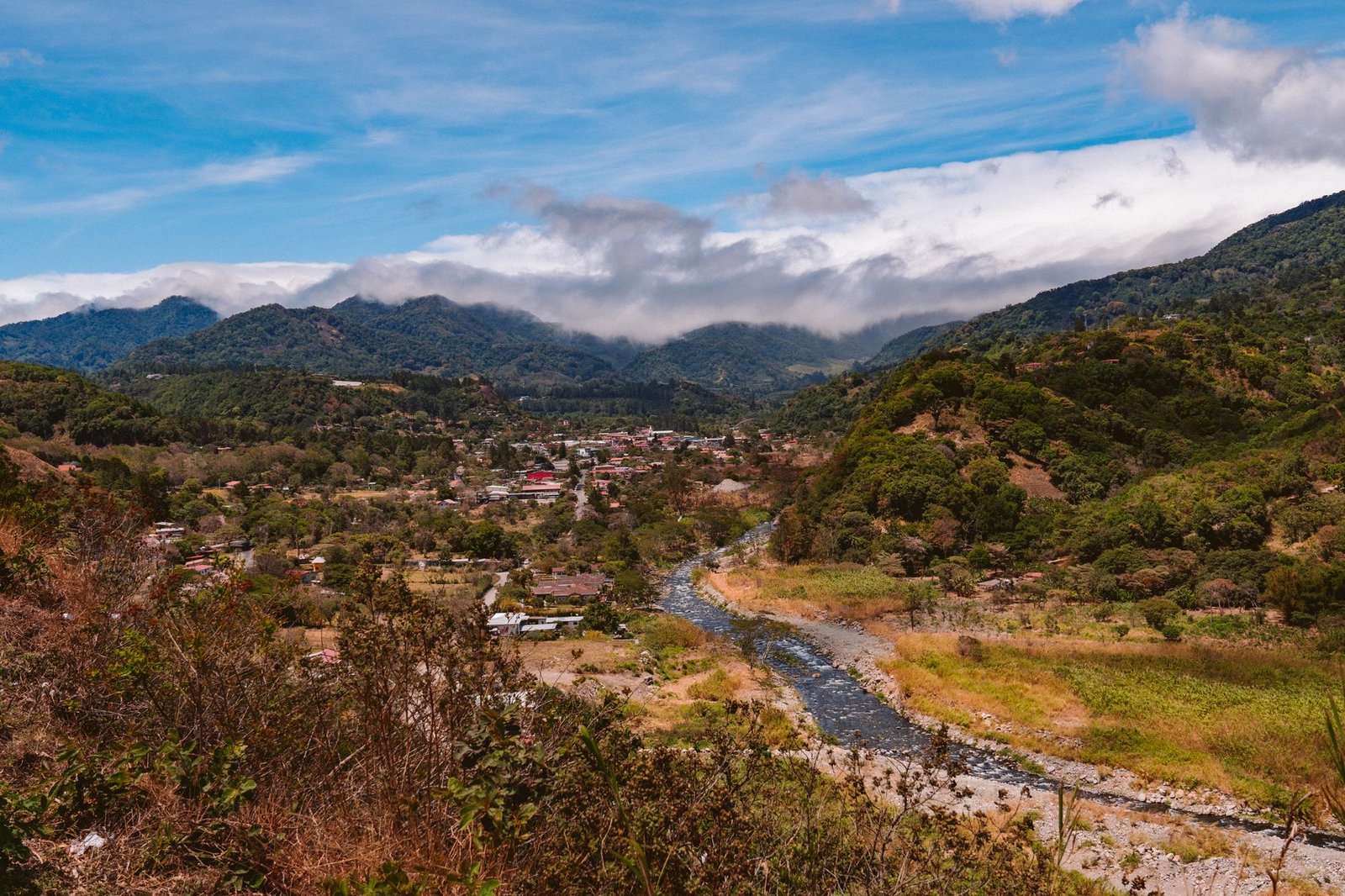
Panama City is the country’s main expat hub, but Boquete — a small mountain town in Chiriquí province — is where a growing number of American retirees end up, and for good reason. Eternal spring-like climate (65–75°F), dramatic mountain scenery, world-famous coffee region, excellent infrastructure for its size, and a large, well-organized American expat community.
Apartment/house: A furnished 2BR house or large apartment in or near Boquete: $600–850/month. Many have gardens. The quality is excellent — modern construction, often with mountain views.
Food: Local produce at the weekly farmers’ market is extraordinary and cheap. Groceries: $200. Dining out (mix of local Panamanian food and expat-oriented restaurants): $220. Coffee: the Panama Geisha is world-famous — a cup at a local café: $3–5. Monthly: $460.
Transportation: Boquete is small but requires a car if you want mobility outside the town center. Budget for occasional taxi or rental: $100–150. (A car would be $400–500 more, changing the math significantly — factor this in based on your mobility needs.)
Health insurance: $160/month.
Activities: Hiking in Volcán Barú ($30), coffee farm tours ($50), bird watching guides ($40), social events in the expat community ($80).
Utilities + internet: $80.
The total (without car): approximately $1,920/month, leaving $580 from $2,500. With a car: add $400–500 more, bringing the total to $2,320–2,420, leaving $80–180/month. Boquete requires more careful budget management than the pure Southeast Asia alternatives, but offers a specific lifestyle — mountain tranquility, English-dominant community, Panamanian healthcare excellence — that many retirees strongly prefer.
Vietnam — Da Nang
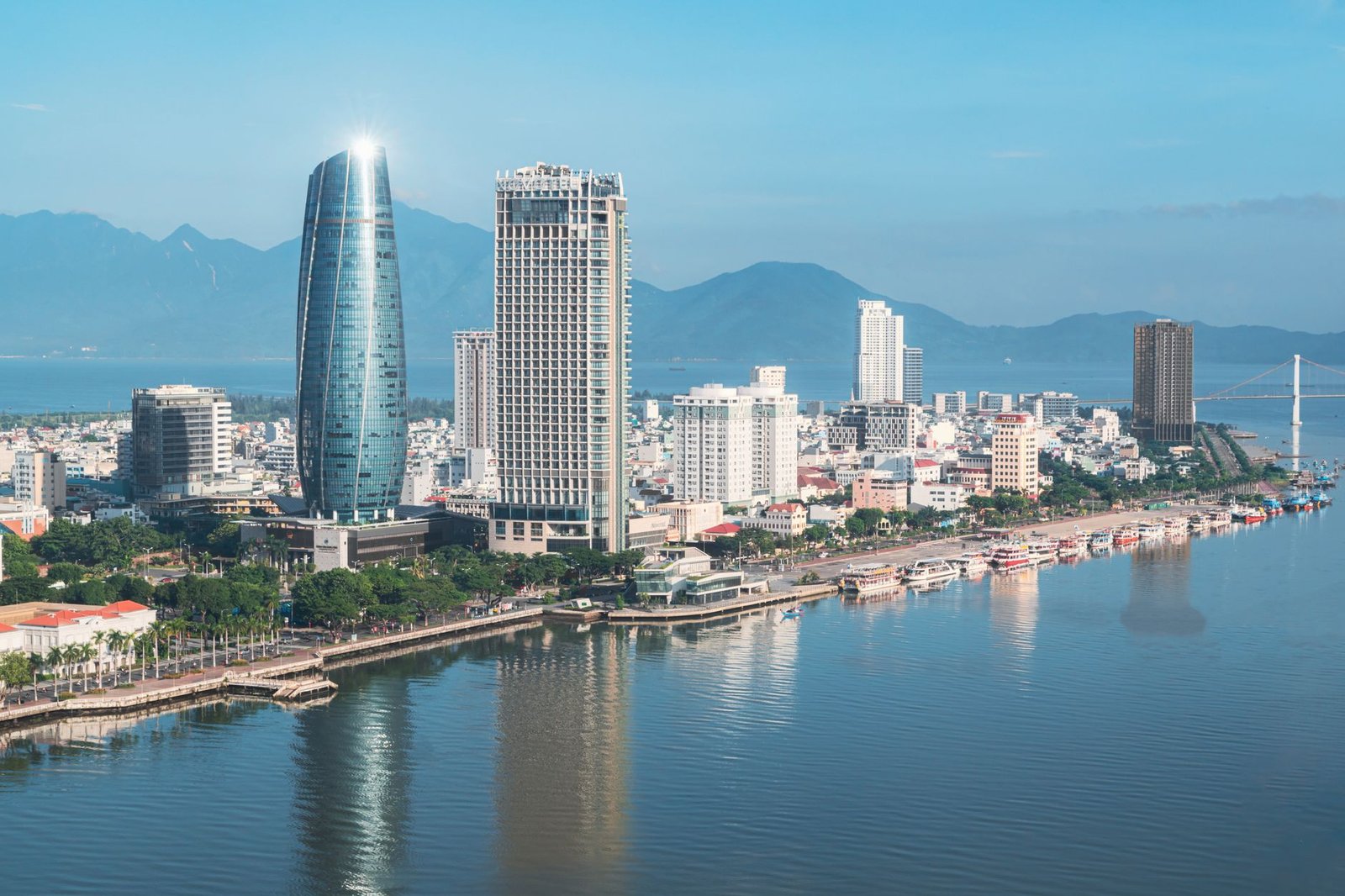
Da Nang sits between Hanoi’s fast pace and Ho Chi Minh City’s urban intensity — it’s a coastal city with some of Vietnam’s best beaches, a rapidly improving infrastructure, lower cost of living than either of the major cities, and a growing expat community that’s still small enough to feel like a community rather than a crowd.
Apartment: A modern 2BR near the beach or the Han River: $400–600/month. For $700–800/month, you can get genuinely luxury accommodation — pools, gyms, concierge service — that would cost $3,000+/month in the U.S.
Food: Vietnamese food is extraordinary and cheap. A bowl of bún bò Huế from a street vendor: $1.50. A full restaurant meal for two: $8–15. Monthly food budget (including some Western splurges): $220.
Transportation: Grab motorcycle: $30/month. City is small and navigable. No car needed.
Health insurance: $130/month for a healthy adult under 50.
Activities: Beach time (free), My Khê Beach surf lessons ($50), day trips to Hội An ($30 bus + meals), cooking classes ($40), gym membership ($25).
Utilities + internet: $60.
The total: approximately $1,435/month — leaving $1,065 from $2,500. Da Nang is genuinely one of the most affordable decent-quality expat cities in Asia. At $2,500/month, you’d be saving over $1,000 each month while living on the beach.
The Comparison at a Glance

| Destination | Monthly Spend | Monthly Surplus (from $2,500) | What You Get for Your Money |
|---|---|---|---|
| Medellín, Colombia | ~$2,035 | ~$465 | 2BR El Poblado, dining out frequently, weekend trips |
| Chiang Mai, Thailand | ~$1,605 | ~$895 | Premium apartment, excellent food, yoga + massage |
| Oaxaca, Mexico | ~$1,810 | ~$690 | Colonial apartment, world-class food, cultural depth |
| Boquete, Panama | ~$1,920 | ~$580 | Mountain house, English community, great healthcare |
| Da Nang, Vietnam | ~$1,435 | ~$1,065 | Beach-adjacent modern apt, excellent food, big surplus |
$2,500/month provides genuine financial security and a high quality of life in all five of these destinations. The differences between them are primarily about what “quality of life” means to you: beach vs. mountain, Southeast Asian culture vs. Latin American, large expat community vs. smaller one, proximity to U.S. flights and culture vs. full immersion. The financial math is favorable in all of them. The decision is about what kind of life you want.