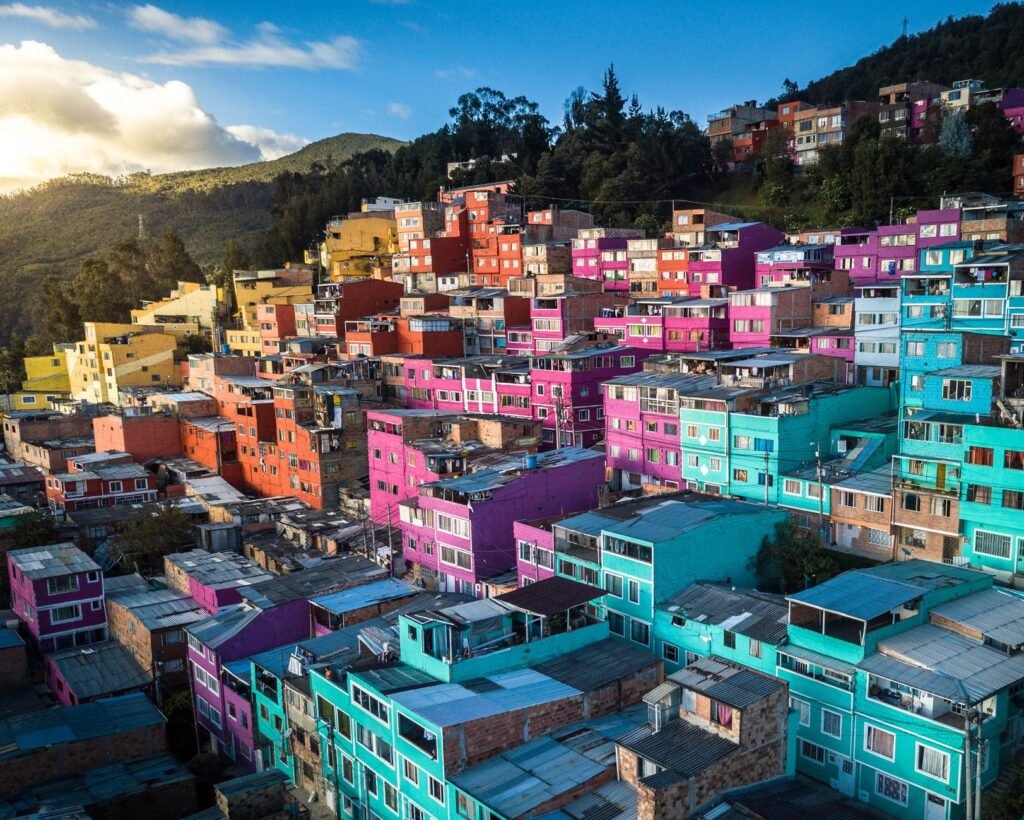

Oaxaca de Juárez — the high-altitude colonial capital of Oaxaca State in southern Mexico — has emerged as one of the most compelling expat destinations in Latin America for a specific combination of reasons: food culture that rivals any city in the world (mole negro, tlayudas, mezcal distilled from a hundred varieties of agave), a walkable historic center with colonial architecture, a year-round temperate climate at 5,085 feet elevation (average 22°C/72°F, low humidity, no air conditioning needed), a thriving arts and creative community, and a cost of living that runs $300–$500/month below comparable Mexican cities like Mexico City or Guadalajara. The expat community in Oaxaca is smaller and more self-selecting than in San Miguel de Allende or Puerto Vallarta — there is no gated community ecosystem or organized expat social scene, which many Oaxaca expats cite as a feature rather than a bug. The people who end up staying in Oaxaca are those who genuinely engage with the local culture, learn at least intermediate Spanish, and are not looking for a Mexico experience filtered through American standards. For that person, Oaxaca delivers an extraordinarily rich life at $1,100–$1,600/month depending on lifestyle preferences.
Oaxaca City Monthly Budget — Single Adult, Comfortable Lifestyle
| Category | Low (Local Lifestyle) | Mid (Comfortable) | High (Expat Premium) | Notes |
|---|---|---|---|---|
| Rent (1BR apartment, historic center or Jalatlaco) | $450 | $600 | $900 | Jalatlaco neighborhood commands 15–25% premium for quaint cobblestone streets; direct lease from Mexican landlord; 6-month minimum common |
| Food (groceries + markets + street food) | $180 | $250 | $380 | Mercado 20 de Noviembre for cooked food ($2–4/meal); Mercado Benito Juárez for produce; La Cosecha organic market for imported items |
| Restaurants and mezcal bars | $80 | $150 | $300 | Excellent local restaurants $8–$15/person; mezcal $4–$8/pour at mezcalería; tourist-facing restaurants $20–$35/person |
| Transportation (colectivos, taxis, Uber) | $25 | $40 | $80 | Colectivos (shared minivans) MXN 8–12/ride; Uber available; walking covers most of the center |
| Utilities (electricity, water, internet) | $50 | $70 | $90 | No A/C needed (elevation keeps temps mild); internet 100 Mbps Telmex or Izzi $25–$35/month; electricity low without A/C |
| Health insurance + occasional clinic visits | $60 | $90 | $150 | IMSS voluntary enrollment for foreigners (IMSS Bienestar): $450–$500/year; private clinic consultations: $15–$30; private hospital care at fraction of U.S. cost |
| Entertainment, classes, cultural events | $50 | $100 | $200 | Museum entrance fees: free–$3; Spanish language classes: $8–$15/hour; mezcal tours and cooking classes popular with visitors |
| Total monthly | $895 | $1,300 | $2,100 | Single adult; comfortable mid-range targets $1,100–$1,500/month realistically |
Oaxaca vs. San Miguel de Allende — Why the Cost Differential Is $500–$700/Month
San Miguel de Allende is the most famous expat city in Mexico and commands a significant price premium for that fame: rents in San Miguel for a 1BR colonial apartment run $700–$1,400/month; restaurants catering to the large American retiree population charge $25–$45 for dinner; a small but visible ecosystem of expat-facing services (yoga studios, wine bars, gallery openings) prices itself for U.S. tourist wallets. Oaxaca has a much smaller international expat population relative to its total size — and most of the foreigners living there are artists, writers, and creative professionals who are not drawn to a gated community lifestyle. The result is a city where expats are not the primary market for most services: rent, food, and entertainment prices are set by Mexican consumption levels, not by American purchasing power. A 1BR apartment in Jalatlaco (Oaxaca’s most charming neighborhood) rents for $550–$700/month; a three-course comida corrida lunch at a neighborhood restaurant costs $4–$6. The trade-off vs. San Miguel: less organized expat social infrastructure (fewer English-speaking social clubs, fewer expat-specific services), more Spanish required to navigate daily life, less developed tourist infrastructure (though this is improving as Oaxaca’s restaurant scene has gained international recognition). For the expat willing to invest in Spanish and genuinely integrate into the local community, Oaxaca delivers authenticity and value that San Miguel, at $1,800–$2,400/month, cannot match.
📊 Nicole Park — Jalatlaco neighborhood, Oaxaca, $1,280/month actual spending as a single person, 14 months in: Nicole (41) moved to Oaxaca in February 2024. Her apartment: a 1BR in Jalatlaco with a rooftop terrace and original tile floors, MXN 8,500/month ($490 at current exchange rate) on a 6-month renewable lease. Her actual monthly spending: rent $490; food from Mercado Benito Juárez and street food $190; restaurants and mezcal bars (she goes out 3–4 times/week) $185; Telmex internet $32; electricity $28; IMSS voluntary health coverage $38 ($450/year); Spanish lessons with a tutor 3 hours/week $140; transportation (mostly walks, occasional Uber) $42; miscellaneous $135. Total: $1,280/month. Her income: $7,200/month in freelance UX research. Monthly IBKR investment: $5,600. “I went to San Miguel first. It felt like an American retirement community with better architecture. Oaxaca feels like Mexico. The food alone is worth the move — I eat like a queen for $200/month.”
⚠️ The Oaxaca rental market reality — why finding a non-Airbnb long-term rental requires persistence and why some neighborhoods are becoming unaffordable: Oaxaca’s real estate market has been affected by the same short-term rental pressure seen in other Mexican cities: property owners in the historic center and Jalatlaco can earn MXN 1,200–$2,500/night on Airbnb and Booking.com during peak weeks (Día de Muertos in October/November is the most expensive week in Oaxaca annually, with Airbnb occupancy at near 100%). This has reduced the supply of long-term rentals in the most desirable neighborhoods and pushed long-term rental prices upward, particularly for furnished apartments that were previously available at $350–$450/month and now start at $500–$600/month. The strategy for finding a long-term non-Airbnb rental: search Facebook groups (Oaxaca Housing, Oaxaca Expats, Renta Oaxaca); ask at local language schools (they maintain lists of landlords who prefer long-term renters); walk target neighborhoods looking for handwritten “Se Renta” signs on doors (landlords who advertise only locally, not online, tend to charge local-market prices); offer 6–12 month commitments in exchange for lower monthly rates. Neighborhoods where long-term rentals remain affordable: Noria Alta, Colonia Reforma, and outer Jalatlaco (2–3 blocks from the most desirable streets), where rents run $350–$480/month for basic but clean 1BR apartments with local landlords.