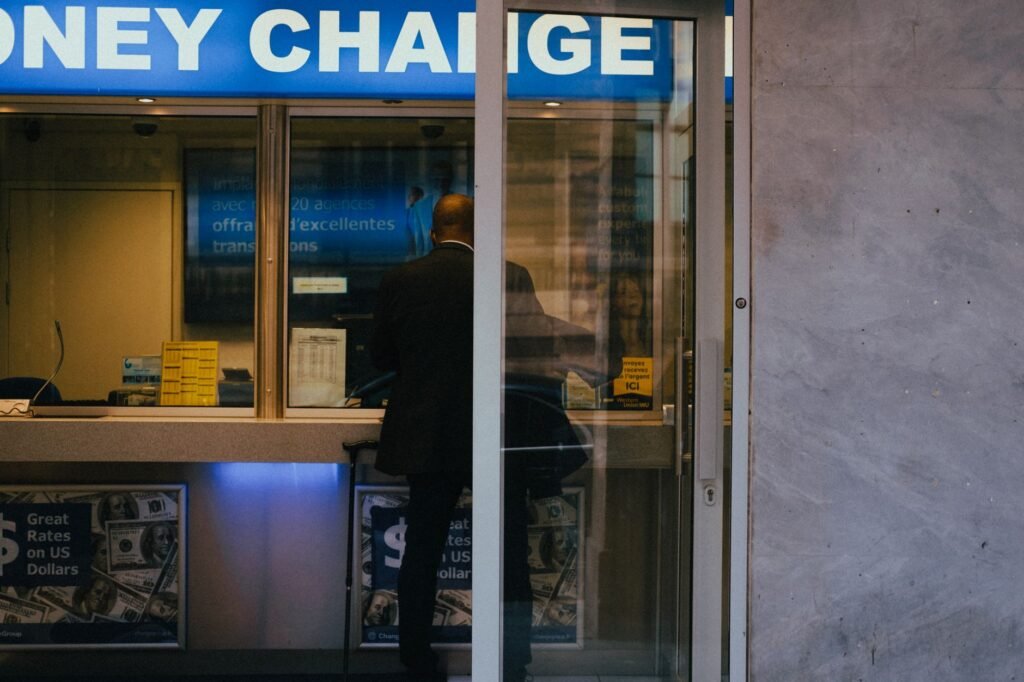
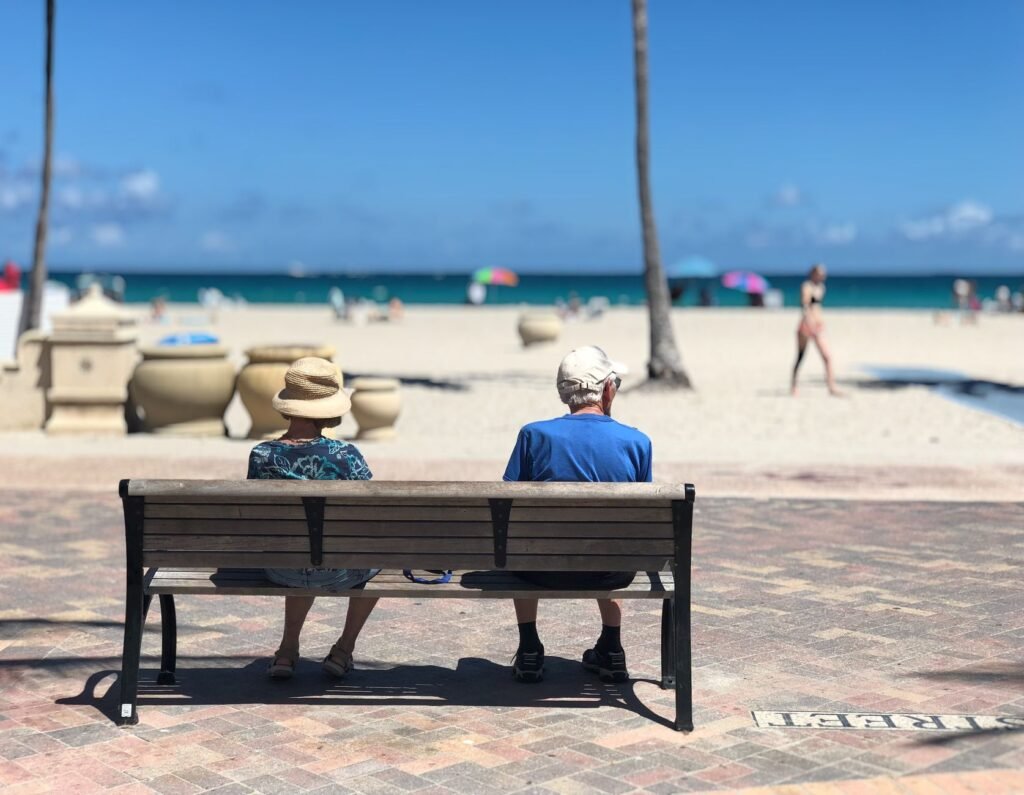
The average Social Security retirement benefit in 2026 is $1,976 per month — roughly $23,712 per year. In most American cities, that income puts you below the federal poverty line. You can’t cover rent, groceries, utilities, and out-of-pocket healthcare with less than $2,000 a month in the US. But the question millions of retirees are now asking is a different one entirely: are there countries where Social Security is enough to retire 2026? The answer, backed by real numbers, might change everything about how you think about the next chapter of your life. This guide identifies five countries where Social Security is enough to retire in 2026 — with full monthly budget breakdowns for each.
This isn’t a fantasy. It’s arithmetic. In select countries across Latin America, Southeast Asia, and Europe, a single Social Security check covers rent, food, transportation, healthcare, and discretionary spending — with money left over. Below, we break down five of the most viable destinations for Americans looking to retire abroad on Social Security alone, with a full monthly budget for each so you can see exactly how the numbers add up.

First: Can You Actually Collect Social Security Abroad?

Yes — with some important caveats. The Social Security Administration (SSA) can send payments to most countries in the world via direct deposit. There are a handful of exceptions: Cuba, North Korea, and a small number of other sanctioned countries are off the table. For the five countries covered in this post, all payments flow normally. You can receive your benefit via direct deposit to a US bank account and use a debit card internationally, or — in some cases — arrange direct deposit to a local bank account. The SSA publishes a full list of countries where it can send payments; check it before committing to a destination.
One additional wrinkle: if you work in certain countries with totalization agreements with the US, your benefit calculation may be affected. But if you’re simply retiring and drawing benefits, the rules are straightforward — your monthly check follows you.
Country #1: Nicaragua — SS Income Abroad at Its Most Affordable

Nicaragua is the most affordable country in the Western Hemisphere for retirees, and it remains dramatically underrated. Cities like Granada and León offer colonial architecture, a warm climate, and a well-established expat community — at costs that are difficult to believe until you see the receipts.
Monthly Budget Breakdown — Nicaragua
| Expense | Monthly Cost (USD) |
|---|---|
| Rent (furnished 1–2 BR apartment) | $350–$500 |
| Groceries & dining | $200 |
| Local transportation | $50 |
| Healthcare (private clinic visits + meds) | $100 |
| Utilities (electric, water, internet) | $80 |
| Miscellaneous / leisure | $200 |
| Total | $980–$1,130 |
Verdict: At $1,000–$1,400/month on the higher end, the average $1,976 Social Security check leaves you with $500–$900 in monthly surplus. Nicaragua’s Law 694 pension residency program offers retirees additional incentives including import duty exemptions on household goods. Visa: a pensionado visa requires proof of at least $600/month in pension income — a threshold your SS benefit easily clears.
Country #2: Colombia (Medellín) — Urban Comfort on a Fixed Income

Medellín’s transformation over the past two decades is one of the most remarkable urban stories in Latin America. What was once a byword for danger is now a city of cable cars, flower festivals, world-class hospitals, and a Ciudad de la Eterna Primavera climate that hovers between 65°F and 82°F year-round. The cost of living in Colombia for retirees — particularly in Medellín’s El Poblado and Laureles neighborhoods — is well within reach of a single Social Security benefit.
Monthly Budget Breakdown — Medellín, Colombia
| Expense | Monthly Cost (USD) |
|---|---|
| Rent (furnished 1–2 BR apartment) | $450–$700 |
| Groceries & dining | $250 |
| Local transportation (metro + taxis) | $60 |
| Private health insurance | $150 |
| Utilities (electric, water, internet) | $100 |
| Miscellaneous / leisure | $200 |
| Total | $1,210–$1,460 |
Verdict: Even at the upper end, your $1,976 SS check covers costs comfortably, leaving $300–$500 for savings, travel, or emergencies. Colombia’s Visa de Pensionados (Pensioner Visa) requires proof of at least three times Colombia’s national minimum wage in monthly income — roughly $800–$900 USD at current rates — which SS income satisfies. Healthcare in Medellín is a genuine asset: the city has Joint Commission International-accredited hospitals, and private-pay rates are a fraction of US costs.
Country #3: Thailand (Chiang Mai) — Southeast Asia Retirement on a Fixed Income

Chiang Mai has ranked among the world’s top retirement destinations for nearly two decades, and the numbers explain why. Thailand’s northern capital offers world-class street food, modern hospitals, Buddhist temples, a walkable old city district, and a massive international retiree community — all for a fraction of what comparable comfort costs in the West. Southeast Asia retirement on a fixed income is most viable here.
Monthly Budget Breakdown — Chiang Mai, Thailand
| Expense | Monthly Cost (USD) |
|---|---|
| Rent (furnished 1–2 BR apartment or condo) | $400–$600 |
| Groceries & dining (mix of markets + restaurants) | $200–$300 |
| Local transportation (songthaew, Grab, scooter) | $60 |
| Health insurance or out-of-pocket care | $100–$200 |
| Utilities (electric, water, internet) | $80–$100 |
| Miscellaneous / leisure | $200 |
| Total | $1,040–$1,460 |
Verdict: Thailand’s Non-Immigrant O-A visa (retirement visa) requires either 800,000 Thai baht (~$22,000 USD) in a Thai bank account, or proof of monthly income of at least 65,000 baht (~$1,800 USD). The income threshold is close to the average SS benefit — some retirees combine a modest savings buffer with their SS income to satisfy it. Once in, costs are low enough that $1,976/month funds a genuinely comfortable life. Thailand’s private hospitals — including Bangkok Hospital Chiang Mai — are excellent and affordable, with specialist consultations often under $50.
Country #4: North Macedonia — Europe’s Best-Kept Budget Retirement Secret
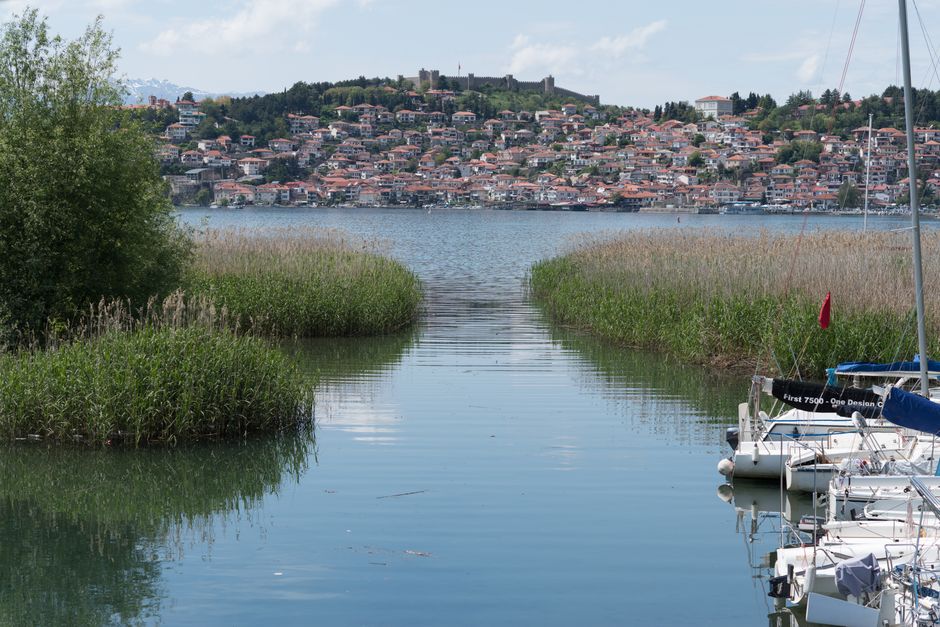
If your heart is set on Europe but your Social Security income won’t stretch to Portugal’s coastline or Spain’s sun-drenched cities, North Macedonia offers an alternative that most Americans have never considered. This small Balkan country — home to Lake Ohrid, one of Europe’s oldest and deepest lakes — delivers a European standard of living, EU-adjacent culture, and extraordinary natural scenery at costs that rival Central America.
Monthly Budget Breakdown — Skopje or Ohrid, North Macedonia
| Expense | Monthly Cost (USD) |
|---|---|
| Rent (furnished 1–2 BR apartment) | $400–$500 |
| Groceries & dining | $250 |
| Local transportation | $50 |
| Healthcare (private clinic / supplemental) | $100 |
| Utilities (electric, heating, internet) | $120 |
| Miscellaneous / leisure | $200 |
| Total | $1,120–$1,220 |
Verdict: North Macedonia is not yet on the mainstream expat radar, which is precisely what keeps prices low. Your $1,976 SS check covers all costs and leaves $700+ monthly in surplus. Visa-wise, Americans can stay up to 90 days without a visa; longer-term stays require a temporary residence permit, which is obtainable with proof of sufficient income. The country uses the Macedonian denar, which is pegged to the euro — providing some currency stability. Healthcare is inexpensive; private clinics in Skopje charge modest fees, and the country has decent public infrastructure for serious conditions.
Country #5: Portugal (Interior) — European Legitimacy at the Edge of SS Feasibility

Portugal’s coastal cities — Lisbon, Porto, the Algarve — have become expensive by the standards of this list. But Portugal’s interior tells a different story. Towns like Castelo Branco, Viseu, Évora, and Covilhã offer full EU-member country residency rights, excellent national healthcare access, and a genuinely high quality of life — at costs that a single Social Security benefit can cover, albeit more tightly than the other four countries here.
Monthly Budget Breakdown — Interior Portugal
| Expense | Monthly Cost (USD) |
|---|---|
| Rent (furnished 1–2 BR apartment) | $600–$800 |
| Groceries & dining | $300 |
| Local transportation | $80 |
| NHR health contributions or private supplement | $150 |
| Utilities (electric, water, internet) | $120 |
| Miscellaneous / leisure | $200 |
| Total | $1,450–$1,650 |
Verdict: Portugal is the tightest budget on this list — your $1,976 SS check covers costs with $300–$500 to spare if you choose interior towns over coastal hubs. Portugal’s D7 Passive Income Visa requires proof of monthly income around €820 (~$900 USD) — well within SS benefit range. EU residency rights, world-class healthcare through the SNS (National Health Service), and a well-worn expat infrastructure make Portugal worth the tighter margin for many retirees who want a European base.
What to Watch Out For: The Real Risks of Retiring Abroad on SS Alone
The math works — but only if you go in with eyes open. Here are the three risk factors that derail the most retirement-abroad plans:
1. Healthcare cost escalation as you age. Most people retire abroad in their 60s when they’re relatively healthy. Private health insurance in your 60s in Colombia or Thailand might cost $100–$200/month. By your mid-70s, with chronic conditions, that number can triple or quadruple. Medicare does not cover care outside the US (with narrow exceptions), so you are entirely dependent on local private insurance or out-of-pocket costs. Plan for this curve before you go, not after.
2. Currency risk. Your Social Security benefit is denominated in US dollars. When the dollar weakens against local currencies — as it periodically does — your real purchasing power in that country shrinks. The Macedonian denar’s euro peg provides some buffer. Colombia’s peso, Thailand’s baht, and Nicaragua’s córdoba are more exposed to fluctuation. A 15% dollar depreciation can meaningfully compress your margin. Keep a USD cash reserve and stay current on exchange rates.
3. Visa requirements and renewal complexity. None of these visas are set-and-forget. Nicaragua’s pensionado program, Colombia’s pensioner visa, Thailand’s O-A retirement visa, Portugal’s D7, and North Macedonia’s temporary residence permit all require periodic renewals, document submissions, and sometimes in-country bureaucratic appearances. Hire a local immigration lawyer or expat services firm for your first renewal — the cost is modest and the headache-avoidance is significant.
Why Retiring Abroad Beats the Alternative: Countries Where Social Security Is Enough to Retire 2026
Let’s be honest about what the alternative looks like. The average American renter in 2026 pays over $1,500/month in rent alone. Add groceries, utilities, transportation, and healthcare, and $1,976/month in Social Security income leaves nothing — or puts you in deficit. Millions of Americans who spent careers in low-wage jobs, who raised families on modest incomes, or who simply didn’t have access to 401(k) matching or investment accounts face a retirement defined by financial stress in a country where their income is inadequate.
Retiring abroad on Social Security income is not a consolation prize. For many people, it is a genuine upgrade — warmer climate, richer daily life, more purchasing power, and often better access to affordable healthcare than what $1,976/month buys in an American city. The countries where Social Security is enough to retire in 2026 aren’t second-tier destinations. They’re places where your money finally works for you.
Important Disclaimer: Talk to a Professional Before You Go
The budget figures in this post are based on current reported cost-of-living data and real expat community benchmarks as of mid-2026. They represent typical ranges and are intended to illustrate general feasibility — not to serve as personal financial advice. Your actual costs will depend on your lifestyle, health needs, housing choices, and local conditions at the time you move.
Before making any decision to relocate internationally, consult a fee-only financial planner — ideally one with international retirement expertise — and an immigration attorney licensed in your destination country. Additionally, speak with a tax professional about the US Foreign Account Tax Compliance Act (FATCA), overseas bank account reporting requirements (FBAR), and how your specific Social Security benefit may interact with any tax treaties in your chosen country. The math can work. Make sure you build the right scaffolding around it.
Data sources: Social Security Administration average benefit figures (2026); Numbeo cost-of-living indices; International Living annual retirement index; SSA international payments policy (ssa.gov/international/payments). Budget ranges reflect typical expat costs reported in community forums and cost-of-living databases as of Q2 2026.