You did everything right. You researched the cost of living, built a lean budget, landed in Medellín or Chiang Mai or Lisbon, and watched your bank account stop bleeding. The dollar went further. Life got cheaper. Geoarbitrage was working exactly as advertised. Then, without a single change to your lifestyle, your monthly costs jumped by hundreds of dollars. No new subscriptions. No restaurant upgrades. Just currency risk for American expats living abroad doing what it always does — working against you while you weren’t watching.
This post is a wake-up call with a construction plan attached. We’re going to look at the math, the real-world volatility data, and the five specific strategies you can use to protect the purchasing power you worked so hard to build.

The Math That Should Scare You
Let’s make this concrete. You moved to Medellín. You found a great apartment — rent is 2,500,000 COP per month. At the exchange rate when you arrived (4,000 COP per USD), that’s $625/month. Clean. Affordable. Sustainable.
Now fast-forward twelve months. The dollar weakens 15% against the peso — not a rare event, not a black swan, just a normal year of foreign exchange movement. The rate drops to 3,400 COP/USD. Your rent didn’t change. The landlord didn’t raise prices. You didn’t upgrade your lifestyle. But now that same 2,500,000 COP apartment costs you $735/month.
That’s $110 more per month. $1,320 more per year. For the exact same apartment.
Now multiply that across every peso-denominated expense in your budget. Groceries. Transportation. Gym. Internet. Utilities. If you were running a $1,800/month budget, that same budget at the new rate costs you roughly $2,100/month. Your annual spend jumps from $21,600 to $25,200. That’s $3,600 per year evaporated — gone from your geoarbitrage advantage — without a single lifestyle change.
That’s not a rounding error. For many expats, that’s the entire margin that made the move worthwhile in the first place.
Currency Volatility Is Not a Fringe Event
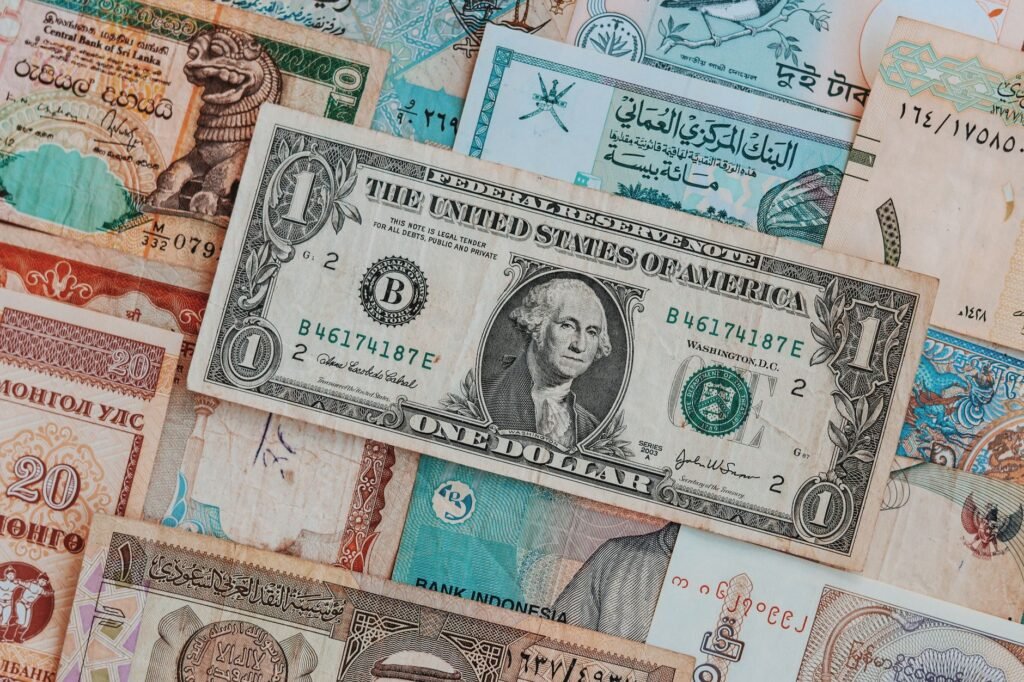
If you’re thinking “that’s extreme — currency doesn’t really move that much,” the historical record disagrees. The dollar exchange rate and expat purchasing power have been rattled repeatedly in recent years by moves that most people would consider shocking:
- MXN/USD moved 25% in 2024. Americans who converted large USD sums to pesos early in the year before the peso weakened dramatically saw their effective purchasing power rise — but those who did the opposite got crushed.
- COP/USD moved 18% in a single year. Colombia has been one of the most popular expat destinations in the world, and the peso has swung enough in a single twelve-month window to alter budgets by thousands of dollars.
- EUR/USD moved 12% between 2022 and 2024. Even the euro — the most liquid currency pair in the world — moved enough to meaningfully change the cost of living for Americans in western Europe.
- THB (Thai baht) has been relatively stable. Not all destinations carry the same risk. Some currencies are structurally more anchored.
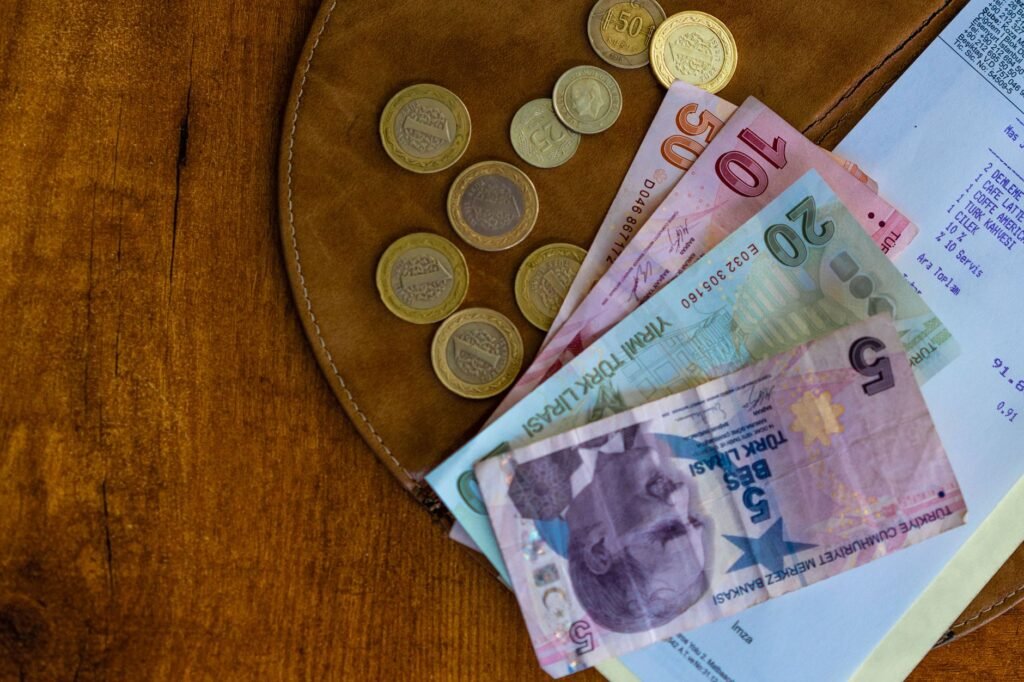
- Emerging markets can move 20–30%+ in a year — and countries like Argentina (ARS) and Turkey (TRY) have seen annual currency collapses well beyond that. These are not places to keep savings in local currency.
The pattern is clear: the more attractive a destination is for its low cost of living, the more likely it is to have a volatile currency. Foreign currency volatility and retirement abroad are not separate topics — they are the same topic.
The Currency Stability Spectrum: Where Your Destination Falls
Not all currencies are created equal. Before you pick a base, know where it sits on the risk spectrum:
| Currency | Stability | Notes |
|---|---|---|
| SGD (Singapore dollar) | Very stable | MAS actively manages the band |
| EUR (Euro) | Stable | 12% move vs USD 2022–2024, but manageable |
| THB (Thai baht) | Stable | Historically well-anchored against USD |
| MXN (Mexican peso) | Volatile | 25% move in 2024 alone |
| COP (Colombian peso) | Very volatile | 18%+ swings in single years |
| ARS (Argentine peso) | Avoid | Persistent multi-year devaluation spiral |
| TRY (Turkish lira) | Avoid | Structural inflation, chronic depreciation |
This doesn’t mean you shouldn’t move to Colombia or Mexico. It means you should go in with eyes open and a plan to hedge your exposure — which is exactly what the next section covers.
5 Strategies to Protect Against Currency Risk for American Expats Living Abroad
Hedging currency risk abroad doesn’t require a derivatives account or a finance degree. These are practical, accessible strategies that any American expat can implement.
1. The 3-Month USD Buffer
Keep three months of living expenses sitting in a US high-yield savings account (HYSA) earning 4–5%+. Convert only what you need for the current month. Never convert a lump sum.
This is the simplest and most powerful move on the list. When the dollar is weak, you spend down your buffer and wait. When the dollar strengthens — even temporarily — you convert more. You’ve turned a passive problem into an active advantage. Your expat dollar savings stack in a US HYSA is not idle cash; it’s your currency buffer, your emergency fund, and your yield-generating hedge all at once.
SoFi, Marcus, and Ally all offer competitive HYSA rates with no minimum balance and FDIC insurance. There is no reason not to do this.
2. The Natural Hedge: Earn Some Income in Local Currency
If any portion of your income comes from local sources — freelance clients in your host country, a short-term rental, tutoring — you’ve created a natural hedge. When the local currency weakens against the dollar, your dollar-denominated income is worth more locally. When local currency strengthens, your local income covers more of your local expenses.
Even a single local income stream — $300–$400 equivalent per month — meaningfully reduces your net exposure. You don’t need to earn your entire living locally. You just need enough local revenue to offset the most volatile line items in your budget.
3. Diversify Across Destination Currencies
If you split your time between Mexico and Thailand — two months here, two months there — a peso crash doesn’t wipe you out because the Thai baht may be holding steady. Geographic diversification is currency diversification by another name.
Slow travelers and multi-base expats naturally benefit from this. If you’re locked into a single lease in a single high-volatility currency country, you’re running a concentrated position. Consider building flexibility into your housing arrangements so you can rotate toward more favorable exchange environments.
4. Laddered Conversion with Wise Rate Alerts
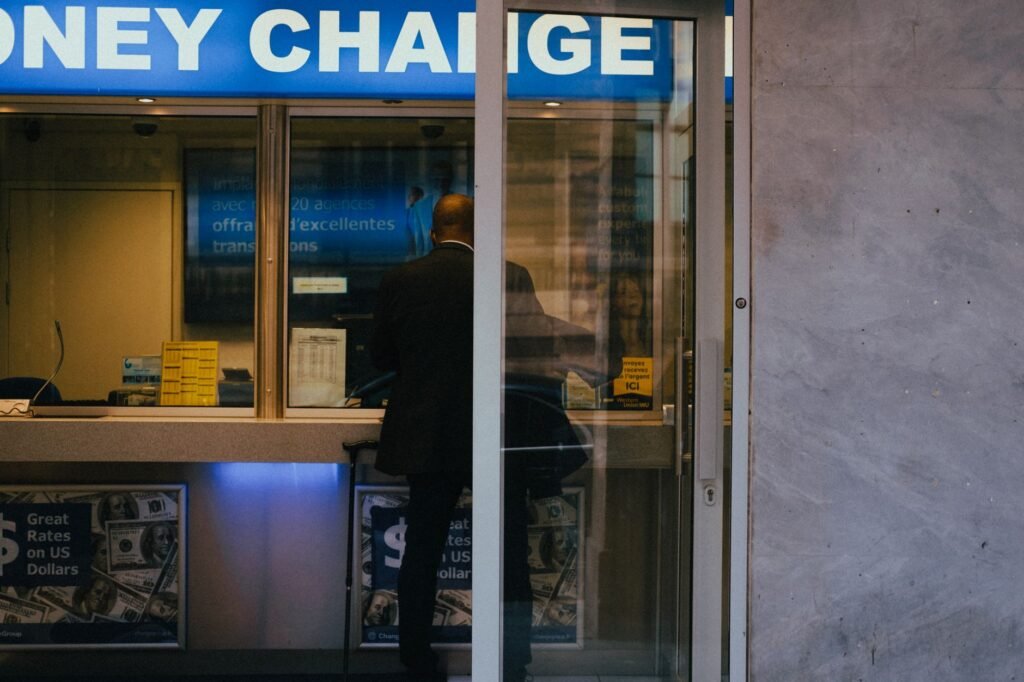
A Wise multi-currency account strategy is one of the most underused tools in the expat toolkit. Wise (formerly TransferWise) lets you set a target exchange rate and receive an alert when the market hits it. Instead of converting on a fixed schedule regardless of rate, you convert when conditions are favorable.
The practical implementation: keep your USD buffer (Strategy 1) as the reservoir. Use Wise to convert in tranches — convert one month’s expenses at a time, and only when the rate is at or above your target. If the rate dips below your target, spend down the buffer. This laddered approach smooths out the peaks and valleys without requiring you to predict the market.
Wise also charges near-interbank rates with transparent, low fees — typically 0.4–0.6% versus the 2–4% spread you’d pay at a bank. The fee savings alone justify using it.
5. Your USD Investment Portfolio Is Already a Hedge
This is the one most expats don’t think about. If you have a US brokerage account — VTI, VYM, Treasury bills, anything USD-denominated — that portfolio holds its value in dollars even while you spend in pesos or baht or euros.
When the USD strengthens, two things happen simultaneously: your local expenses cost fewer dollars, and your USD portfolio’s purchasing power increases. That’s a double tailwind. When USD weakens, your portfolio value in local currency terms increases — partially offsetting the hit to your purchasing power.
Staying fully invested in USD assets is itself a form of hedging currency risk abroad. Do not make the mistake of liquidating your US portfolio to hold cash in the local currency. You would be trading a productive hedge for speculative local currency exposure.
Bonus: Stablecoins for the Tech-Comfortable Expat
If you’re comfortable with self-custody wallets, USDC (USD Coin) offers a way to hold dollar-pegged value outside the traditional banking system and spend locally via crypto debit cards (Crypto.com Card, Coinbase Card). Conversions happen at near-zero cost with no wire fees or international ATM charges.
This is an advanced strategy with its own risks (smart contract risk, regulatory uncertainty, personal key management). It’s not for everyone. But for expats in countries with restrictive banking systems or poor USD access, it’s worth understanding.

What NOT to Do
The strategies above only work if you avoid the most common mistakes. Here’s where expats most often sabotage themselves:
- Converting a year’s worth of savings at once. This locks you into a single rate for twelve months. If the rate moves against you the week after you convert, there’s nothing you can do. Convert monthly — or at most quarterly.
- Holding savings in a local-currency bank account. A savings account denominated in pesos or baht doesn’t protect your purchasing power back in dollars — it exposes you to local currency depreciation. If you need savings, hold them in USD.
- Panic-selling investments when the dollar weakens. When USD weakens, your cost of living abroad goes up. That’s painful. The instinct is to sell investments to cover the gap. Resist it. Selling USD assets when the dollar is weak locks in losses and destroys the hedge those assets were providing.
- Ignoring exchange rate trends entirely. You don’t need to obsess over FX charts. But a monthly five-minute check on the major currency pair that governs your life is basic financial hygiene.
Build the System Before You Need It
Currency risk for American expats living abroad isn’t a hypothetical — it’s a recurring event that catches people off guard because nobody talked about it in the geoarbitrage YouTube video they watched before booking their flight. The math is clear: a 15% move in a major emerging-market currency can eliminate thousands of dollars of annual savings with zero change to your lifestyle.
The good news is that the system to protect yourself is not complicated. A US HYSA buffer. A Wise account with rate alerts. Your existing USD investment portfolio. A bit of geographic flexibility. These are not exotic financial instruments — they are straightforward tools that any expat can put in place before the next currency swing arrives.
The expats who thrive long-term abroad are not the ones who got lucky with exchange rates. They’re the ones who stopped treating currency as something that happens to them and started treating it as something they manage.
Set up your buffer this week. Turn on your Wise rate alerts. Check where your destination currency sits on the stability spectrum. Do it before the dollar moves — because by the time you notice the move, the damage is already done.
Related Reading on FundYourExit
- How to Build a Geoarbitrage Budget That Actually Works
- The Expat Banking Setup: Wise, Schwab, and Why You Need Both
- Dollar Cost Averaging Abroad: Investing While You Live Overseas