If you need full-mouth dental reconstruction in the United States, the bill can hit $76,000 before you leave the parking garage. The same procedure — using the same Swiss and Swedish implant brands, performed by board-certified specialists — runs $12,000–$20,000 in Colombia. That is not a typo, and it is not a bait-and-switch. Dental tourism in Colombia, Thailand, and Mexico has matured into a fully operational medical sector, and in 2026 the cost savings are large enough to fund a business-class flight, a two-week stay in Medellín, and still pocket $30,000. This article gives you the exact numbers, the vetting checklist, the logistics reality, and the honest risks — because you deserve the full picture, not a sales pitch.
The All-on-4 Price Gap: $34,000 vs. $6,000 Per Arch
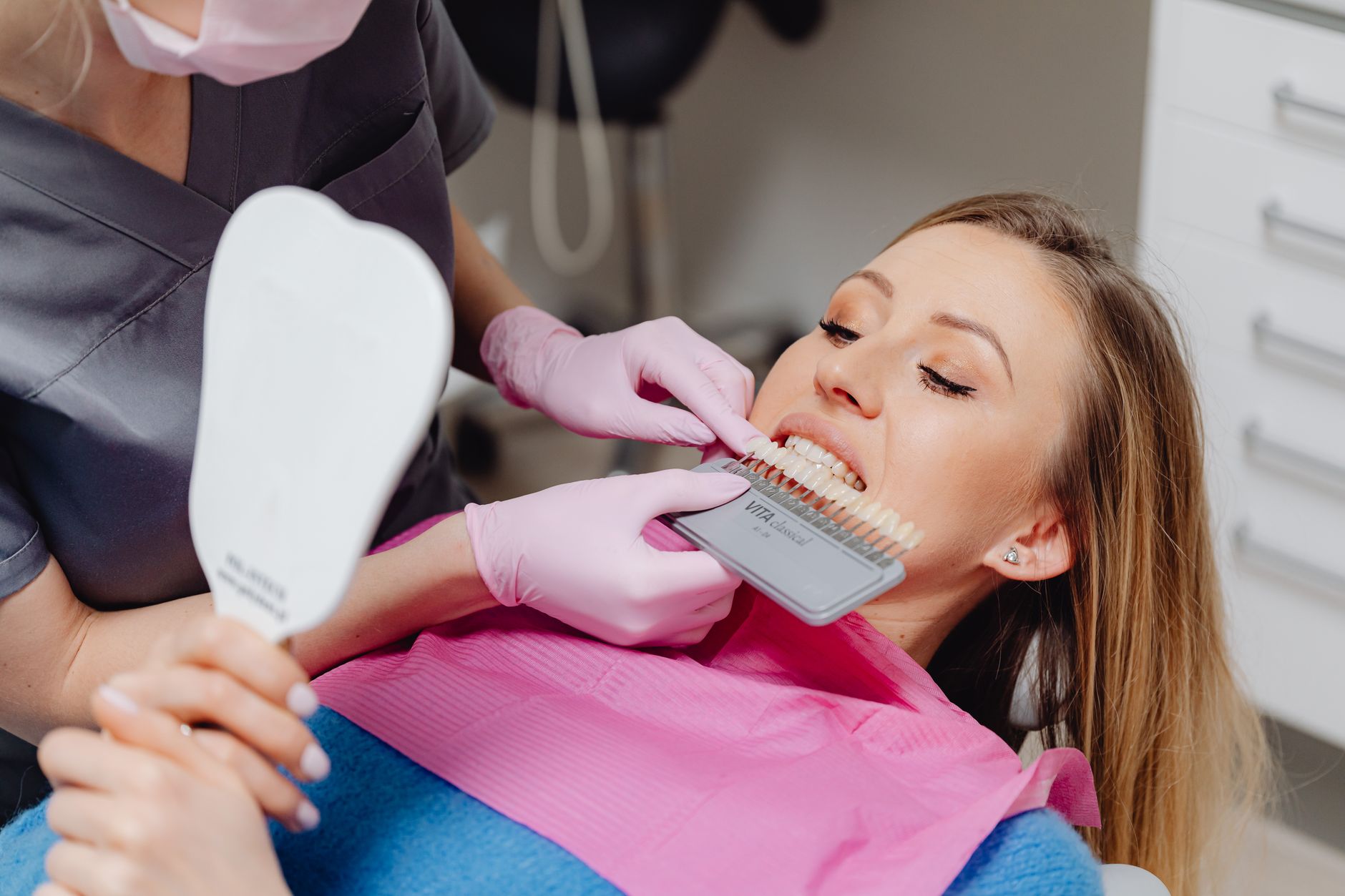
All-on-4 is the procedure where a full arch of teeth — top or bottom — is replaced with four strategically angled implants that anchor a permanent prosthetic bridge. It is the gold standard for patients missing most or all teeth in an arch, and it is brutally expensive in the United States. Here is what the numbers actually look like:
Per arch, All-on-4:
- USA: $24,000–$38,000
- Colombia (Medellín / Bogotá): $6,000–$10,000
- Thailand (Bangkok / Chiang Mai): $7,000–$12,000
- Mexico (Los Algodones / CDMX): $5,500–$9,000
For full-mouth restoration (both arches), the spread is $48,000–$76,000 in the US versus $12,000–$20,000 in Colombia. After you price in round-trip flights ($500–$1,200 from most US cities to Bogotá or Medellín), two weeks of accommodation ($40–$90/night at a solid Airbnb), and meals, you are still saving $28,000–$52,000. That is not a rounding error — that is a down payment on a house, or two full years of early retirement contributions.
The implants installed in Colombian and Thai clinics are not knock-offs. Top-tier practices in both countries use Straumann (Switzerland), Nobel Biocare (Sweden), and Zimmer implants — identical brands to what a $38,000 American specialist uses. The difference is not the titanium going into your jaw. It is real estate costs in Bogotá versus Beverly Hills, malpractice insurance premiums, and US dental school debt.
Full Procedure Comparison: Prices by Country

All-on-4 is the headline, but the savings extend across virtually every dental procedure. The table below uses mid-range estimates for each market.
| Procedure | USA | Colombia | Thailand | Mexico |
|---|---|---|---|---|
| All-on-4 (per arch) | $24,000–$38,000 | $6,000–$10,000 | $7,000–$12,000 | $5,500–$9,000 |
| Single implant + crown | $3,000–$6,000 | $700–$1,200 | $800–$1,400 | $650–$1,100 |
| Porcelain veneer (each) | $1,500–$2,500 | $300–$600 | $350–$650 | $280–$550 |
| Root canal + crown | $2,500–$3,500 | $400–$700 | $450–$750 | $380–$650 |
| Full dental deep clean | $300–$600 | $60–$120 | $70–$130 | $55–$110 |
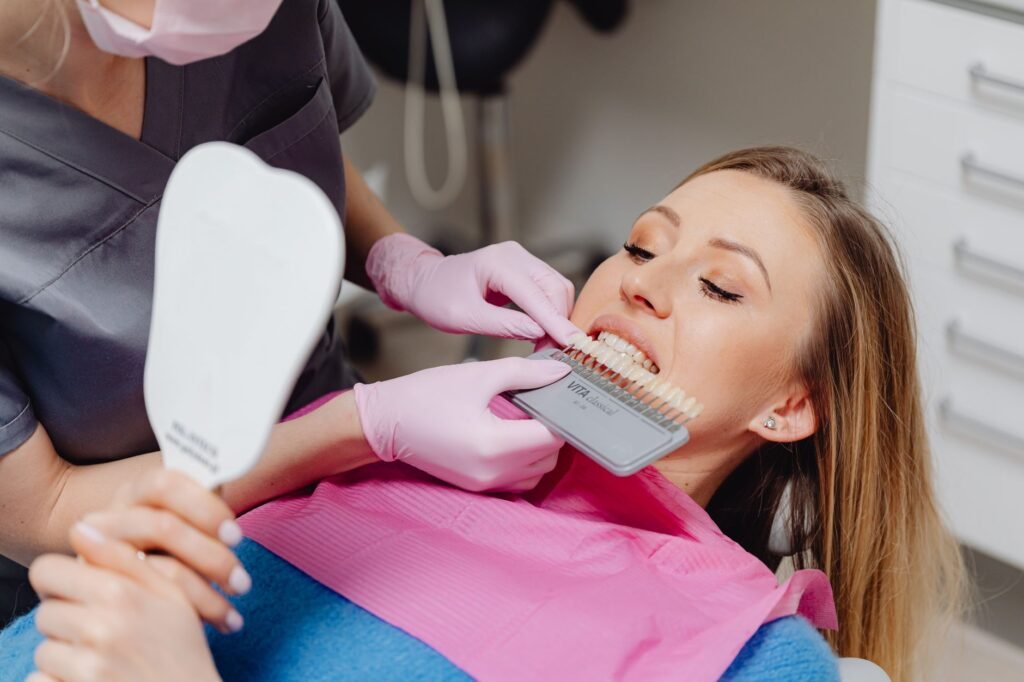
Ten porcelain veneers — a full smile makeover — costs $15,000–$25,000 in the United States. In Colombia, that same set runs $3,000–$6,000. The $12,000–$19,000 difference covers the flight, the hotel, and a very pleasant trip to one of the world’s most beautiful cities.
Molar City and the Geography of Dental Savings
The most extreme example of dental tourism concentration is Los Algodones, Mexico — a town of 5,000 people with more than 350 dental offices. Nicknamed “Molar City,” it sits four miles from the California-Arizona border and serves over 6,000 Americans and Canadians every single day. The town’s economy runs almost entirely on cross-border dental work, and competition keeps prices at the lowest end of the international market.
For patients willing to travel further, Colombia has emerged as the premium destination for dental implants abroad cost. The dental tourism Colombia Thailand cost savings 2026 numbers are simply too large to ignore for patients facing major restorative work. Medellín in particular has built a sophisticated medical tourism infrastructure — dedicated patient coordinators who speak fluent English, full-service clinics inside modern buildings, and post-procedure recovery apartments rented by the week. Bogotá offers similar quality with a larger selection of JCI-accredited hospitals and affiliated dental practices.
Thailand’s dental hub centers on Bangkok’s Sukhumvit district and the northern city of Chiang Mai, both of which have operated internationally accredited medical facilities for decades. Thai clinics tend to price slightly higher than Colombia but offer excellent English-language service and a well-established post-procedure recovery tourism industry.
How to Vet a Clinic: The Non-Negotiable Checklist
The savings are real, but they only stay real if you pick the right clinic. Here is how to separate the legitimate practices from the operations that exist to exploit poorly-researched patients.
1. Verify international accreditation. JCI (Joint Commission International) is the gold standard — it applies the same standards used to evaluate US hospitals. In Colombia, also look for ICONTEC certification (the Colombian equivalent of ISO for healthcare). In Thailand, look for JCI and the Hospital Accreditation Institute (HA) certification. A clinic that cannot show you its accreditation documentation should be removed from your list immediately.
2. Confirm implant brand documentation. Before you wire a deposit, ask the clinic to confirm in writing which implant brand and model they use. Legitimate clinics using Straumann, Nobel Biocare, or Zimmer will be proud to tell you — they pay a premium for those brands and use them as a selling point. Vague answers like “top quality implants” are a red flag.
3. Review before-and-after portfolios. Ask for a portfolio of previous All-on-4 or veneer cases similar to yours, including X-rays where relevant. A high-volume dental tourism clinic will have dozens of documented cases. If you get stock photos or a portfolio with no verifiable patient information, walk away.
4. Read reviews on independent platforms. Google Reviews, Trustpilot, and dental-specific forums like Dental Town and the medical tourism section of Reddit (r/medicaltourism) are your best sources. Look specifically for reviews from patients who completed the full procedure — not just the consultation. Pay attention to how the clinic handles negative reviews.
5. Verify the specialist’s credentials. The dentist performing your All-on-4 should be a board-certified oral surgeon or prosthodontist with documented training in implantology. Ask for their credentials and verify them against the country’s dental licensing body. Colombia’s dental licensing authority is the Tribunal Ético de Odontología; Thailand’s is the Dental Council of Thailand.
6. Get a treatment plan in writing before you travel. A reputable clinic will perform a virtual consultation, review your dental records and X-rays, and provide a written treatment plan with itemized costs before you book your flight. Any clinic that insists you must travel first for a “full assessment” before they can give you any pricing is not operating in your interest.
The Multi-Trip Reality for Major Procedures
Single implants and veneers can often be completed in one trip of 7–14 days. All-on-4 full-mouth restoration almost always requires two separate visits, and patients need to plan around that reality.
Trip 1 (5–10 days): Extractions, bone grafting if needed, and implant placement. The implants are placed into the jawbone and fitted with temporary prosthetics so you leave with functional teeth. You go home and wait.
Osseointegration period (3–6 months): The titanium implants fuse with the jawbone — a biological process that cannot be rushed. You are back home during this period, living normally with your temporary prosthetics.
Trip 2 (5–7 days): Impressions are taken, and the final permanent prosthetic bridge — custom-milled zirconia or acrylic — is fitted and adjusted. This is when you leave with your permanent teeth.
Total travel cost for two trips: typically $1,500–$3,500 including flights and accommodation. Even adding that to the high end of Colombian All-on-4 pricing ($20,000 for full mouth), you are at $23,500 — still $24,500 below the US floor price of $48,000. Most patients build the second trip around a longer stay, treating it as a combination medical appointment and vacation in a country that genuinely rewards slow travel.
Honest Risks You Need to Factor In
Dental tourism is not risk-free, and anyone telling you otherwise is selling something. Here are the real risks, stated plainly.
Complications are harder to manage from a distance. If an implant fails to integrate or a crown develops a problem three months after you return home, your local dentist in Ohio may not be willing — or equipped — to take over mid-treatment on another clinic’s work. Some US dentists decline these cases outright. Before you travel, have a candid conversation with your local dentist about contingency care. Get that answer in writing if possible.
Quality variance within markets is significant. “Colombia is affordable” does not mean every Colombian clinic is good. The range between the best and worst clinics in Medellín is enormous. The vetting process described above is not optional — it is the entire ballgame.
US dental insurance almost never covers work done abroad. If you have dental insurance, assume it does not apply internationally. The out-of-pocket math still favors going abroad — paying $10,000 cash in Colombia versus $38,000 cash (or $20,000 after a generous insurance benefit) in the US — but do not budget assuming your insurance will contribute.
Travel disruptions during the osseointegration period are your problem. If you need a follow-up adjustment during the months between trips, flying internationally for a single appointment is expensive and inconvenient. Factor that into your planning: pick a clinic that is reachable in one direct or one-stop flight, and confirm they have a remote consultation protocol for minor issues.
Language and communication gaps. Colombia and Thailand both have English-speaking dental tourism coordinators at major clinics, but detailed medical communication requires precision. If your Spanish or Thai is non-existent, verify before booking that your specific dentist — not just the patient coordinator — is fully conversant in English.
Who This Is For — and Who It Isn’t
This approach makes sense if you:
- Need major work — implants, full-mouth restoration, multiple veneers — where the savings exceed $10,000
- Are healthy enough to travel internationally and recover in an unfamiliar environment
- Have the flexibility for two trips spaced 3–6 months apart (for All-on-4)
- Are willing to spend 20–30 hours on research and clinic vetting before booking
- Have no active dental insurance that would cover a meaningful portion of the US cost
- Have a local dentist willing to perform follow-up care if needed
This approach is a poor fit if you:
- Need a single filling or routine cleaning — the travel overhead negates the savings
- Have significant health conditions that complicate surgery or travel recovery
- Are not willing to do the research required to vet a clinic properly
- Have a dental insurance plan that covers 70–80% of a US procedure cost, making the net difference small
- Need treatment urgently — international scheduling timelines do not accommodate dental emergencies
The Bottom Line on Dental Tourism Colombia Thailand Cost Savings 2026
The math on dental tourism Colombia Thailand cost savings 2026 is not close. A full-mouth All-on-4 restoration in the United States can cost $48,000–$76,000 with no insurance contribution. The same procedure, using Straumann or Nobel Biocare implants, at a JCI-accredited clinic in Medellín or Bangkok, costs $12,000–$24,000 including two trips. The net savings — $28,000 to $52,000 — fund years of early retirement, a full emergency fund, or the first year of a location-independent life.
This is not about cutting corners on your health. It is about recognizing that the price of dental work in the United States is a function of the American healthcare cost structure — not a measure of quality. The same titanium, the same zirconia, the same implantology techniques exist everywhere. What is different is the zip code on the invoice.
Do the research, vet the clinic, plan the logistics, and go in with clear eyes about the risks. The patients who do that work come home with permanent teeth and $30,000 still in their account.
This post is for informational purposes only and does not constitute medical advice. Consult a qualified dental professional before making any treatment decisions.