If you are spending $3,000 or more every month to live in Austin, Denver, or Miami, here is a number worth sitting with: $900. That is what a comfortable expat life in Tirana, Albania — a real European capital with fast internet, walkable neighborhoods, and a functioning visa program designed specifically for remote workers — actually costs. The Albania digital nomad visa cost of living 2026 story is one of the most compelling arbitrage setups available right now, and almost no one in the American remote-work community has caught on yet.
This post breaks down the visa requirements, the real monthly budget numbers, the zero-percent corporate tax window that runs through 2029, and the honest trade-offs — so you can decide whether Albania belongs on your shortlist.
Why Albania? The Case Starts With the Numbers

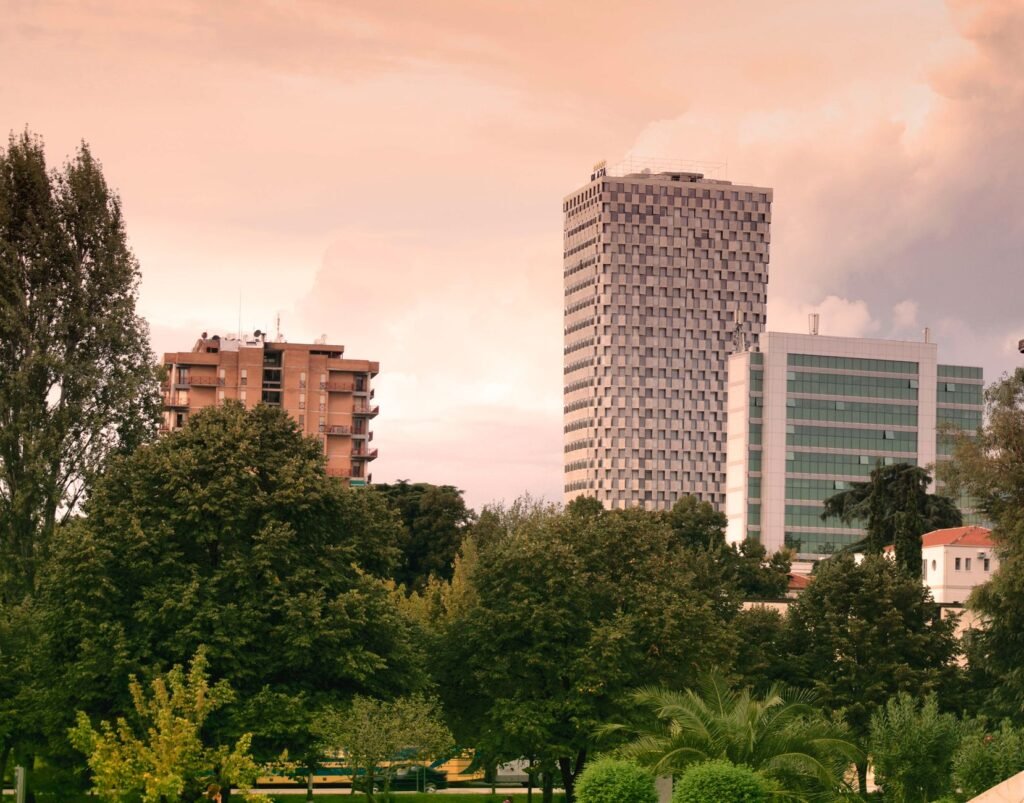
Albania is not some undiscovered frontier village. Tirana is a capital city of roughly 900,000 people. It has co-working spaces, specialty coffee shops, reliable fiber internet for around $20 a month, and a private healthcare sector with hospitals that serve the regional medical tourism market. The Numbeo crime index for Tirana is measurably lower than Rome, Paris, and Brussels. And yet the price level is a fraction of those cities.
Here is the macro backdrop that makes this interesting beyond just cheap rent. Albania has been the fastest-growing tourist destination in Europe for three consecutive years according to UNWTO data. The country is an official EU candidate, with deep cultural and geographic ties to Europe. It is not in the Schengen zone yet (more on that below), but it functions with a euro-adjacent economy, strong mobile coverage, and a government that has been actively courting foreign investment and remote workers with its tax structure.
The kicker: there is almost no American expat community here yet. That means none of the “American enclave” pricing inflation you find in Lisbon, Medellín, or Chiang Mai. You are arriving before the wave, paying local-market rates, and building a life in a place that will look very different — and likely more expensive — five years from now.
The Albania Digital Nomad Visa: Requirements and What You Actually Get
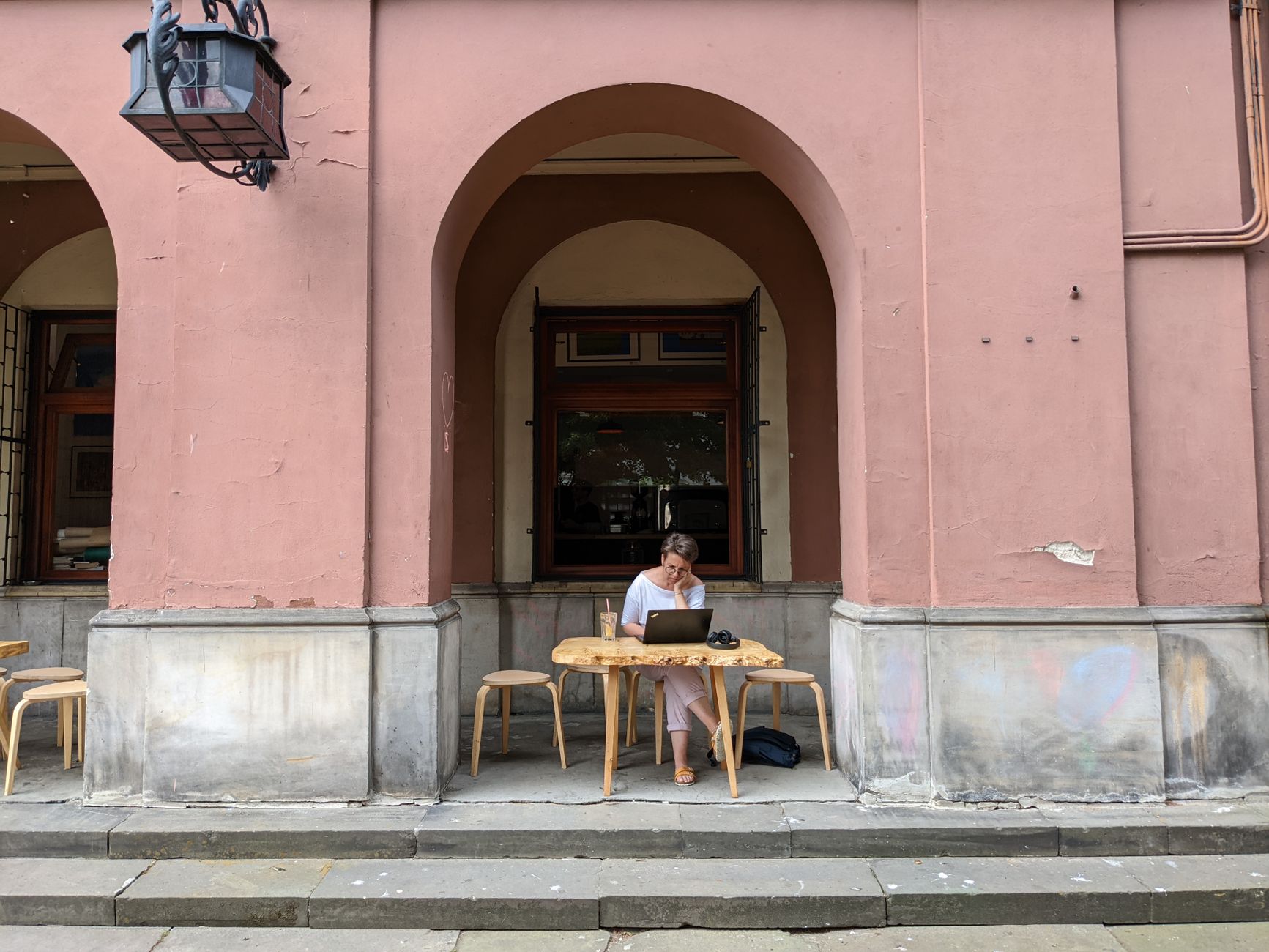
Albania’s digital nomad visa has one of the lowest income thresholds in Europe. The requirement sits at approximately $9,800 per year — roughly $816 per month in demonstrated remote income. Compare that to Portugal’s D8 visa (€760/month minimum, higher in practice), Spain’s digital nomad visa (€2,160/month), or Germany’s freelancer visa process that runs well into five figures annually. Albania is priced for people who are actually building their remote income, not just those who have already made it.
The visa is renewable annually and allows a one-year stay per application. You will need proof of remote employment or self-employment income, health insurance coverage, and standard documentation (passport validity, background check, accommodation proof). The process is handled through Albanian consulates or in-country immigration offices. Unlike some digital nomad programs that require an anchor employer, Albania’s structure accommodates freelancers and business owners.
One clarification on Schengen: Albania is not a Schengen member. That means your time in Albania does not count against your 90/180-day Schengen allowance on a US passport. You can spend a full year in Tirana and still use your full 90-day Schengen window to travel to Greece, Italy, or France in the same period. That is a meaningful practical advantage for nomads who want a European base without burning their Schengen clock.
Albania Digital Nomad Visa Cost of Living 2026: The Real Monthly Budget in Tirana
The Tirana cost of living for American expats breaks down cleanly. A one-bedroom apartment in the city center runs $400–$600 per month; outside the center, you are looking at $250–$400. Groceries are priced at roughly 30–40% of US levels for fresh produce, dairy, and meat. Eating out at a solid local restaurant costs $5–$10 per person. Here is a realistic monthly budget for a single person living comfortably:
| Expense | Monthly Cost (USD) |
|---|---|
| Rent (1-BR, city center) | $450 |
| Groceries & dining out | $200 |
| Utilities (electric, water, gas) | $80 |
| Transportation (local) | $50 |
| Entertainment & social | $100 |
| Internet (fiber) | $20 |
| Private health insurance | $75 |
| Total | ~$975 |
Add a gym membership ($25–$40), a weekend trip to the Albanian Riviera or the nearby Greek island of Corfu (about 1.5 hours by ferry), and co-working space access, and you are still under $1,300 most months. For that number, you get a fully furnished apartment, fast internet, a walkable city, and access to one of the most underrated coastlines in the Mediterranean.
Private health insurance runs $50–$120 per month depending on your age and coverage level. Tirana has quality private hospitals that handle everything from routine care to surgical procedures, and medical costs without insurance are still dramatically lower than US out-of-pocket rates.
The 0% Business Tax Window: What Freelancers and Business Owners Need to Know
This is where Albania moves from “cheap place to live” to “serious tax planning conversation.” Albania has enacted a 0% corporate income tax rate for small businesses through 2029 — applicable to businesses with annual revenue under €14 million. That covers virtually every freelancer, consultant, agency owner, SaaS founder, or online business operator in this audience.
On the personal income side, Albania uses a flat 15% rate on income above approximately $3,200 per year — one of the lowest effective personal income tax rates in Europe. For context, the US federal rate alone starts at 10% and climbs to 22% for income over $47,000. Add state income tax in most US states and you can easily be paying 28–35% effective rates on self-employment income. The Albania zero tax business structure, combined with low personal income tax, creates a materially different financial picture for anyone earning remotely.
The important caveat, as always with international tax structures: US citizens are taxed on worldwide income and must file US returns regardless of where they live. The Foreign Earned Income Exclusion (FEIE) and Foreign Tax Credit exist to mitigate double taxation, but how they interact with your specific business structure requires a qualified international tax professional. Treat this section as directional context, not a tax plan.
EU Candidate Status: What It Means for the Long Game
Albania is an official EU candidate country. Accession negotiations have been underway for years, with formal chapters opened. This matters for anyone thinking about Albania residency requirements as a multi-year or permanent move.
EU membership would bring Schengen access, EU passport rights for long-term residents, harmonized regulations, and likely a significant increase in property values and cost of living. It would also mean increased scrutiny of the zero-tax business environment — EU state aid rules would apply, and the 0% corporate rate through 2029 would be subject to revision. That deadline is not arbitrary; 2029 is a reasonable horizon for when EU pressure on the tax structure would intensify.
For early movers, this creates a clear window: establish your life and business structure in Albania now, benefit from the current tax and cost environment, and reassess as accession progresses. Albania is currently in a moment similar to where Estonia, Latvia, and Slovakia were in the late 1990s — European in culture and trajectory, not yet subject to full EU economic harmonization.
Who Albania Is Right For — and Who It Is Not
Albania is a strong fit if you are:
A freelancer or online business owner earning $2,000–$6,000 per month who wants to significantly lower their cost base and explore legitimate tax efficiency. Someone who wants a European base with real infrastructure but is priced out of — or bored by — Lisbon, Barcelona, and the other nomad hotspots. A traveler who wants a Mediterranean lifestyle with fast access to Greece, Montenegro, and the Balkans without the tourist-trap pricing. Anyone who places a premium on being early to a place before it gets “discovered” and priced accordingly. Remote workers whose income is above the ~$816/month visa threshold but below the level where a more complex structure makes sense.
Albania is a harder sell if you are:
Dependent on English being widely spoken everywhere — Tirana’s younger population and hospitality workers speak English well, but daily life outside the capital requires some Albanian or Italian. Expecting the amenity density of Western European cities — Tirana is growing fast, but it is not Berlin or Amsterdam. Bringing a family with school-age children and need well-established international schools (options exist but are limited). Someone who wants EU legal protections and Schengen freedom from day one — that is still a few years out at minimum. Or anyone who needs a robust American expat social network to feel comfortable; you will be building that from scratch here.
The Surrounding Region: Albania as a Hub
One underappreciated aspect of a Tirana base: the geographic position. Montenegro is a short drive north — Kotor Bay is stunning and increasingly popular with European tourists. North Macedonia and Kosovo are both easily accessible and even cheaper than Albania. Greece is to the south; the island of Corfu is roughly 1.5 hours from the Albanian Riviera port of Saranda. Berat, Gjirokastër, and the Albanian Alps are all day-trip or weekend-trip distance from the capital.
Tirana’s international airport connects to most major European hubs, with budget carriers offering sub-$100 fares to Rome, Vienna, Istanbul, and London. It functions well as a low-cost base from which to move around Europe without maintaining a residency in an expensive Western European city.
The Bottom Line on Albania Expat Living 2026
The full picture of Albania digital nomad visa cost of living 2026 does not get enough attention because Albania is not on the standard nomad circuit — it does not have the marketing budget of Portugal, the Reddit threads of Thailand, or the brand recognition of Georgia (the country). What it has is a legitimate digital nomad visa with a low income bar, one of the most favorable small-business tax regimes in Europe through 2029, a real European capital for under $1,000 a month, and a window of time before any of this is widely known.
The fastest-growing tourist destination in Europe for three straight years is not a coincidence. People who visit Albania tend to come back — and increasingly, they are staying. The question is whether you want to be ahead of that curve or reading about it two years from now when the prices have moved and the American expat Facebook groups have forty thousand members.
This post is for informational purposes only and does not constitute legal, tax, or financial advice. Visa requirements and tax laws change. Consult a qualified international attorney and tax professional before making any relocation or business structure decisions.